Celebrating Navruz Festival: Exploring its Significance and Traditions
Category : | Sub Category : Posted on 2023-10-30 21:24:53
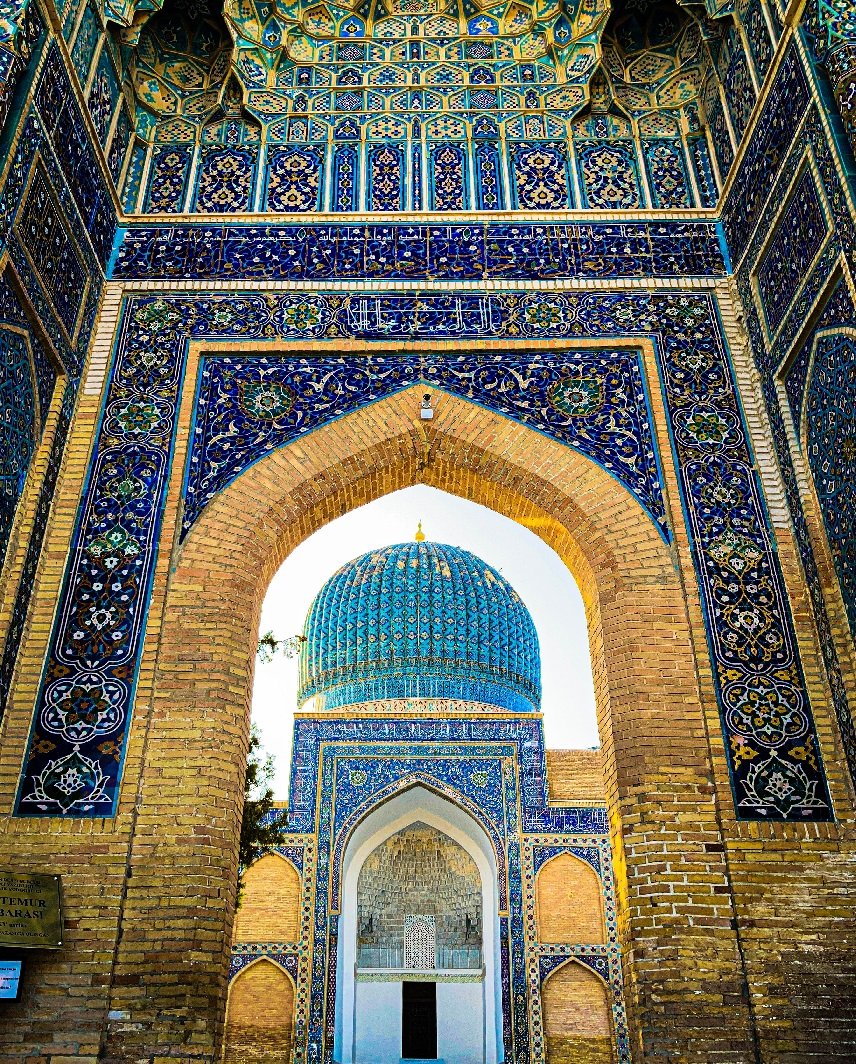
Introduction: Every spring, people from Central Asia eagerly anticipate the arrival of Navruz, a vibrant and joyous festival celebrating the arrival of the new year. Rooted in ancient Persian traditions, this festival of rebirth and new beginnings brings communities together in a spirit of unity and renewal. In this blog post, we will explore the significance of Navruz and delve into the diverse customs and traditions associated with this special occasion. The Significance of Navruz Festival: Navruz, which translates to "new day," is celebrated on March 21st or 22nd, marking the vernal equinox and the first day of spring. The festival holds great cultural and religious significance for people in countries such as Iran, Afghanistan, Uzbekistan, Tajikistan, and many others. It represents a time of fresh starts, growth, and the renewal of nature. Navruz is not only a cultural celebration but also holds religious connotations for Zoroastrians, followers of the ancient Persian faith. Traditional Navruz Customs and Traditions: 1. Haft-Seen Table: A central aspect of Navruz celebrations is the Haft-Seen table, adorned with various symbolic items. The table includes seven items, all beginning with the Persian letter "Seen" (S), such as "sabzeh" (wheat or lentil sprouts), representing rebirth, and "senjed" (dried fruit), symbolizing love and romance. 2. Spring Cleaning: Navruz is preceded by a thorough cleaning of houses, symbolizing the importance of starting the new year with a clean slate. Families take this opportunity to tidy up their homes and purify their surroundings. 3. Preparing Traditional Dishes: Food plays a significant role in Navruz festivities. People gather to prepare traditional dishes like sumalak, a sweet pudding made from sprouted wheat. The process of making sumalak involves communal participation, highlighting the importance of unity and togetherness. 4. Attending Festive Events: During Navruz, communities come together to participate in various cultural events and performances. These events often include traditional music, dance, poetry recitals, and theatrical plays. They showcase the rich cultural heritage of the region, fostering a sense of pride and celebration. 5. Exchange of Gifts: Just like many other festivals, Navruz involves the exchange of gifts. Giving and receiving presents symbolizes the sharing of joy, friendship, and blessings for the new year ahead. Conclusion: Navruz Festival is a time of rejuvenation and joy, celebrated by communities across Central Asia and beyond. It is a wonderful occasion that unites people in the spirit of new beginnings, cultural pride, and community bonds. As we bid farewell to winter and welcome spring, Navruz offers a chance to reflect on the beauty of nature and the importance of coming together as a global community. So, whether you are familiar with Navruz or new to its traditions, embrace this festival, learn about its customs, and join in the celebration of a renewed spirit. Happy Navruz to one and all! Click the following link for more http://www.apapapers.com
Leave a Comment:
SEARCH
Recent News
- Uzbekistan is renowned for its rich cultural heritage and traditional handicrafts, including the exquisite wool stoles that have gained popularity worldwide. These wool stoles are not just accessories but pieces of art that showcase the craftsmanship and creativity of Uzbek artisans.
- Winter in Uzbekistan is a magical time, with snow-capped mountains, cozy tea houses, and stunning winter stoles that add a touch of warmth and style to any outfit. These winter stoles are a popular accessory in Uzbekistan, known for their beautiful embroidery, vibrant colors, and luxurious fabrics.
- Uzbekistan is a country rich in biodiversity, with a wide variety of wildlife species inhabiting its diverse landscapes, ranging from deserts to mountains to grasslands. However, like many other countries around the world, Uzbekistan is also facing challenges when it comes to wildlife conservation.
- Uzbekistan is a country with a growing startup ecosystem, and many innovative companies are emerging in various industries. Vancouver, on the other hand, is known for being a hub of technology and entrepreneurship. In this blog post, we will explore some of the top startups in Vancouver and their potential connections or collaborations with startups in Uzbekistan.
- Uzbekistan and Vancouver may seem like two completely different worlds, but when it comes to export and import, they share a common ground. These two regions engage in international trade, exchanging goods and services to foster economic growth and development. Let's take a closer look at the export and import dynamics between Uzbekistan and Vancouver.
- Uzbekistan has a rich culture and history that is reflected in its cuisine, arts, and traditions. This Central Asian country is known for its vibrant markets, stunning architecture, and warm hospitality. One interesting aspect of Uzbekistan is its business ties with Vancouver, a bustling city in Canada.
- Uzbekistan is a country rich in culture, history, and natural beauty. Located in Central Asia, it is known for its stunning architecture, vibrant markets, and warm hospitality. However, in recent years, Uzbekistan has also been making a name for itself in the business world. With a growing economy and a business-friendly environment, Uzbekistan is becoming an attractive destination for companies looking to expand their operations.
- ### Exploring UK Government Business Support Programs for Doing Business in Uzbekistan
READ MORE
11 months ago Category :

Uzbekistan is renowned for its rich cultural heritage and traditional handicrafts, including the exquisite wool stoles that have gained popularity worldwide. These wool stoles are not just accessories but pieces of art that showcase the craftsmanship and creativity of Uzbek artisans.
Read More →11 months ago Category :

Winter in Uzbekistan is a magical time, with snow-capped mountains, cozy tea houses, and stunning winter stoles that add a touch of warmth and style to any outfit. These winter stoles are a popular accessory in Uzbekistan, known for their beautiful embroidery, vibrant colors, and luxurious fabrics.
Read More →11 months ago Category :

Uzbekistan is a country rich in biodiversity, with a wide variety of wildlife species inhabiting its diverse landscapes, ranging from deserts to mountains to grasslands. However, like many other countries around the world, Uzbekistan is also facing challenges when it comes to wildlife conservation.
Read More →11 months ago Category :
