Discovering the Mysteries of the Aral Sea in Uzbekistan
Category : | Sub Category : Posted on 2023-10-30 21:24:53
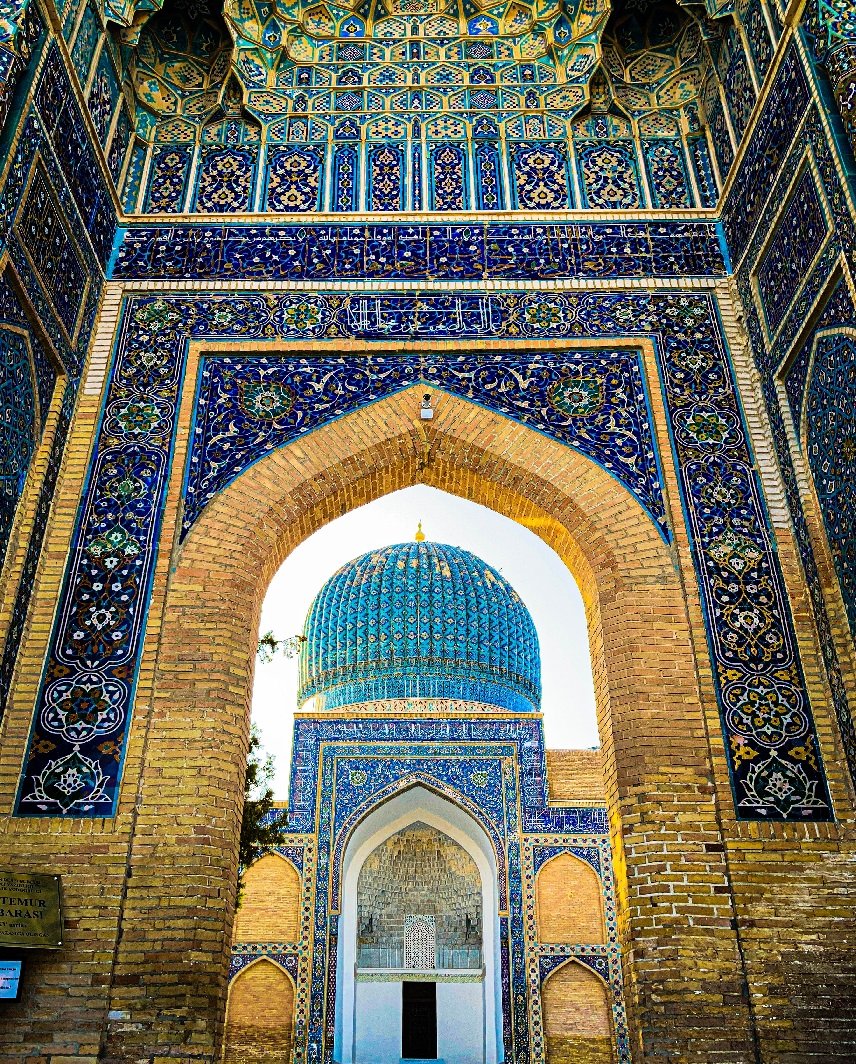
Introduction: Located in the heart of Central Asia, Uzbekistan is home to numerous wonders and natural beauty that often go unnoticed by the mainstream tourist. One such hidden gem is the mesmerizing Aral Sea, an ancient body of water steeped in history and tragedy. In this blog post, we will take a closer look at the story of the Aral Sea in Uzbekistan and the importance of preserving its cultural and ecological significance. 1. The Ancient Beauty of the Aral Sea: Nestled between Kazakhstan and Uzbekistan, the Aral Sea was once one of the four largest lakes in the world. Its azure blue waters stretched as far as the eye could see, teeming with fish and supporting a flourishing ecosystem. For centuries, it served as a vital trade route along the famous Silk Road, connecting different civilizations and cultures. 2. The Tragic Environmental Disaster: Sadly, the fate of the Aral Sea took a dramatic turn in the 1960s when Soviet planners diverted its waters for agricultural irrigation projects. As a result, the sea began to shrink rapidly, leaving behind a barren, salty desert. Today, what remains of the Aral Sea is a fraction of its former self, leading to devastating consequences for the local communities that relied on it for sustenance and livelihood. 3. Exploring the Shrinking Aral Sea: Despite its tragic state, the Aral Sea still serves as a unique tourist destination worth exploring. Visitors have the opportunity to witness firsthand the destructive consequences of human actions on the environment. The abandoned fishing boats and desolate ship graveyards that now stand as a haunting reminder of the sea's former glory make for a surreal and thought-provoking experience. 4. Efforts to Restore the Aral Sea: Realizing the significance of the Aral Sea's ecological and cultural importance, the Uzbek government, along with international organizations, has taken steps to restore the region. The Kokaral Dam, built on the Small Aral Sea, has managed to partially stabilize the water levels and revive some marine life. Additionally, initiatives to plant trees and vegetation have been carried out to combat desertification. 5. Preserving the Aral Sea's Heritage: While progress has been made, it is crucial to continue raising awareness about the Aral Sea's plight and the need for sustainable actions. UNESCO has recognized the cultural heritage of the region and its inclusion in the World Heritage List, emphasizing the necessity of preserving its unique history and ancient civilizations. Conclusion: The Aral Sea in Uzbekistan stands as a cautionary tale about the consequences of unchecked human activities on the environment. Its tragic story not only serves as a reminder of the impact we have on our planet but also highlights the need for sustainable development and preservation of our natural wonders. By exploring the Aral Sea and supporting efforts to restore it, we can all contribute to safeguarding this fragile ecosystem for future generations. To delve deeper into this subject, consider these articles: http://www.onlinebanat.com
Leave a Comment:
SEARCH
Recent News
- Uzbekistan is renowned for its rich cultural heritage and traditional handicrafts, including the exquisite wool stoles that have gained popularity worldwide. These wool stoles are not just accessories but pieces of art that showcase the craftsmanship and creativity of Uzbek artisans.
- Winter in Uzbekistan is a magical time, with snow-capped mountains, cozy tea houses, and stunning winter stoles that add a touch of warmth and style to any outfit. These winter stoles are a popular accessory in Uzbekistan, known for their beautiful embroidery, vibrant colors, and luxurious fabrics.
- Uzbekistan is a country rich in biodiversity, with a wide variety of wildlife species inhabiting its diverse landscapes, ranging from deserts to mountains to grasslands. However, like many other countries around the world, Uzbekistan is also facing challenges when it comes to wildlife conservation.
- Uzbekistan is a country with a growing startup ecosystem, and many innovative companies are emerging in various industries. Vancouver, on the other hand, is known for being a hub of technology and entrepreneurship. In this blog post, we will explore some of the top startups in Vancouver and their potential connections or collaborations with startups in Uzbekistan.
- Uzbekistan and Vancouver may seem like two completely different worlds, but when it comes to export and import, they share a common ground. These two regions engage in international trade, exchanging goods and services to foster economic growth and development. Let's take a closer look at the export and import dynamics between Uzbekistan and Vancouver.
- Uzbekistan has a rich culture and history that is reflected in its cuisine, arts, and traditions. This Central Asian country is known for its vibrant markets, stunning architecture, and warm hospitality. One interesting aspect of Uzbekistan is its business ties with Vancouver, a bustling city in Canada.
- Uzbekistan is a country rich in culture, history, and natural beauty. Located in Central Asia, it is known for its stunning architecture, vibrant markets, and warm hospitality. However, in recent years, Uzbekistan has also been making a name for itself in the business world. With a growing economy and a business-friendly environment, Uzbekistan is becoming an attractive destination for companies looking to expand their operations.
- ### Exploring UK Government Business Support Programs for Doing Business in Uzbekistan
READ MORE
11 months ago Category :

Uzbekistan is renowned for its rich cultural heritage and traditional handicrafts, including the exquisite wool stoles that have gained popularity worldwide. These wool stoles are not just accessories but pieces of art that showcase the craftsmanship and creativity of Uzbek artisans.
Read More →11 months ago Category :

Winter in Uzbekistan is a magical time, with snow-capped mountains, cozy tea houses, and stunning winter stoles that add a touch of warmth and style to any outfit. These winter stoles are a popular accessory in Uzbekistan, known for their beautiful embroidery, vibrant colors, and luxurious fabrics.
Read More →11 months ago Category :

Uzbekistan is a country rich in biodiversity, with a wide variety of wildlife species inhabiting its diverse landscapes, ranging from deserts to mountains to grasslands. However, like many other countries around the world, Uzbekistan is also facing challenges when it comes to wildlife conservation.
Read More →11 months ago Category :
