Exploring the Literary Treasures of the Silk Road: A Journey Through Uzbekistan's Book Culture
Category : | Sub Category : Posted on 2023-10-30 21:24:53
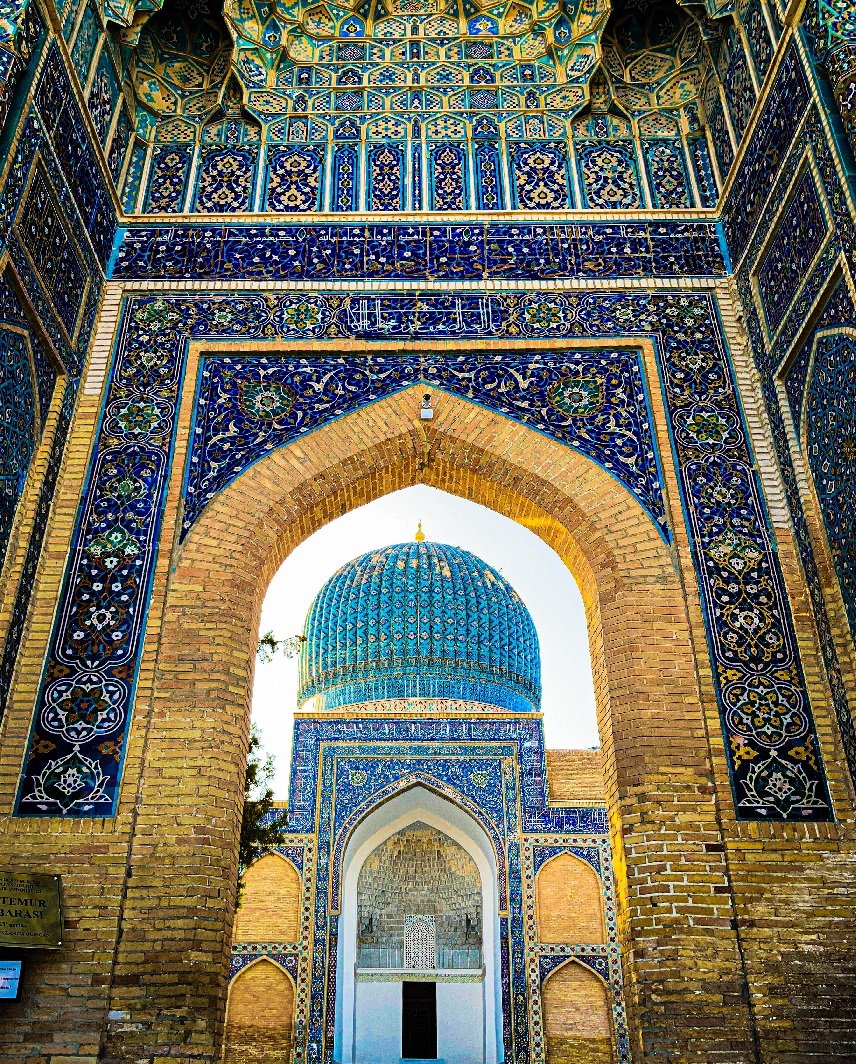
The Silk Road has been renowned for centuries as a trade route connecting the East and West, but it was also an avenue for the exchange of knowledge, ideas, and culture. In the heart of Central Asia lies Uzbekistan, a country steeped in history and rich in literature. Today, we embark on a journey through Uzbekistan's book culture, delving into the literary treasures that have influenced generations. Uzbekistan's literary landscape is as diverse as its cultural tapestry, encompassing a wide range of genres and styles. One cannot begin to explore Uzbek literature without mentioning the iconic figure of Ali-Shir Nava'i, a 15th-century poet, writer, and statesman considered the father of Uzbek literature. His works, including poetry, plays, and treatises, continue to inspire writers and readers alike. Nava'i's contribution to Uzbek literature is so immense that his portrait graces the country's currency. As we delve further into Uzbekistan's literary scene, we cannot overlook the impact of the Silk Road on the country's book culture. The Silk Road served as a corridor for the exchange of ideas, beliefs, and cultural practices. Along this ancient trading route, scholars, merchants, and travelers brought with them not only goods but also manuscripts, books, and literary works. These literary treasures found their way into the libraries of Uzbekistan, where they were studied, translated, and integrated into the local literary tradition. One of the most notable libraries in Uzbekistan is the Alisher Navoi National Library in Tashkent. Named after the great poet himself, this library is a treasure trove of ancient manuscripts, rare books, and modern literature. With over five million items in its collection, the library attracts scholars and researchers from around the world who come to explore its vast corridors of knowledge. Aside from the Alisher Navoi National Library, Uzbekistan is also home to a number of other libraries and bookstores that offer a glimpse into the country's book culture. These establishments serve as cultural hubs where literary enthusiasts gather to discuss, discover, and share their love for books. In Tashkent, the capital city, book fairs and literary festivals are held regularly, bringing together authors, publishers, and readers to celebrate the written word. Uzbekistan's book culture, however, is not limited to the capital city. Various cities and regions across the country boast their own unique literary traditions. In Bukhara, for example, known as the "noble city of knowledge," centuries-old libraries house rare manuscripts and ancient texts. Samarkand, another ancient city along the Silk Road, is home to the UNESCO-listed Registan Square, where the grandeur of Islamic architecture meets the wonders of literary heritage. As we conclude our journey through Uzbekistan's book culture, we come to appreciate the profound impact of the Silk Road on the country's literary landscape. From the works of Ali-Shir Nava'i to the ancient manuscripts preserved in libraries and the vibrant bookstores that dot the cities, Uzbekistan offers a literary experience that is both enriching and enlightening. So, whether you find yourself lost in the poetic verses of Nava'i or browsing the shelves of the Alisher Navoi National Library, Uzbekistan's book culture is sure to leave a lasting impression. It is an invitation to explore not only the written word but also the history, art, and traditions of a country that has been a crossroads of civilizations for centuries. Have a look at http://www.rollerbooks.com
Leave a Comment:
SEARCH
Recent News
- Uzbekistan is renowned for its rich cultural heritage and traditional handicrafts, including the exquisite wool stoles that have gained popularity worldwide. These wool stoles are not just accessories but pieces of art that showcase the craftsmanship and creativity of Uzbek artisans.
- Winter in Uzbekistan is a magical time, with snow-capped mountains, cozy tea houses, and stunning winter stoles that add a touch of warmth and style to any outfit. These winter stoles are a popular accessory in Uzbekistan, known for their beautiful embroidery, vibrant colors, and luxurious fabrics.
- Uzbekistan is a country rich in biodiversity, with a wide variety of wildlife species inhabiting its diverse landscapes, ranging from deserts to mountains to grasslands. However, like many other countries around the world, Uzbekistan is also facing challenges when it comes to wildlife conservation.
- Uzbekistan is a country with a growing startup ecosystem, and many innovative companies are emerging in various industries. Vancouver, on the other hand, is known for being a hub of technology and entrepreneurship. In this blog post, we will explore some of the top startups in Vancouver and their potential connections or collaborations with startups in Uzbekistan.
- Uzbekistan and Vancouver may seem like two completely different worlds, but when it comes to export and import, they share a common ground. These two regions engage in international trade, exchanging goods and services to foster economic growth and development. Let's take a closer look at the export and import dynamics between Uzbekistan and Vancouver.
- Uzbekistan has a rich culture and history that is reflected in its cuisine, arts, and traditions. This Central Asian country is known for its vibrant markets, stunning architecture, and warm hospitality. One interesting aspect of Uzbekistan is its business ties with Vancouver, a bustling city in Canada.
- Uzbekistan is a country rich in culture, history, and natural beauty. Located in Central Asia, it is known for its stunning architecture, vibrant markets, and warm hospitality. However, in recent years, Uzbekistan has also been making a name for itself in the business world. With a growing economy and a business-friendly environment, Uzbekistan is becoming an attractive destination for companies looking to expand their operations.
- ### Exploring UK Government Business Support Programs for Doing Business in Uzbekistan
READ MORE
10 months ago Category :

Uzbekistan is renowned for its rich cultural heritage and traditional handicrafts, including the exquisite wool stoles that have gained popularity worldwide. These wool stoles are not just accessories but pieces of art that showcase the craftsmanship and creativity of Uzbek artisans.
Read More →10 months ago Category :

Winter in Uzbekistan is a magical time, with snow-capped mountains, cozy tea houses, and stunning winter stoles that add a touch of warmth and style to any outfit. These winter stoles are a popular accessory in Uzbekistan, known for their beautiful embroidery, vibrant colors, and luxurious fabrics.
Read More →10 months ago Category :

Uzbekistan is a country rich in biodiversity, with a wide variety of wildlife species inhabiting its diverse landscapes, ranging from deserts to mountains to grasslands. However, like many other countries around the world, Uzbekistan is also facing challenges when it comes to wildlife conservation.
Read More →10 months ago Category :
