Exploring the Enchanting Sounds of Uzbek Music in Ceremonies
Category : | Sub Category : Posted on 2023-10-30 21:24:53
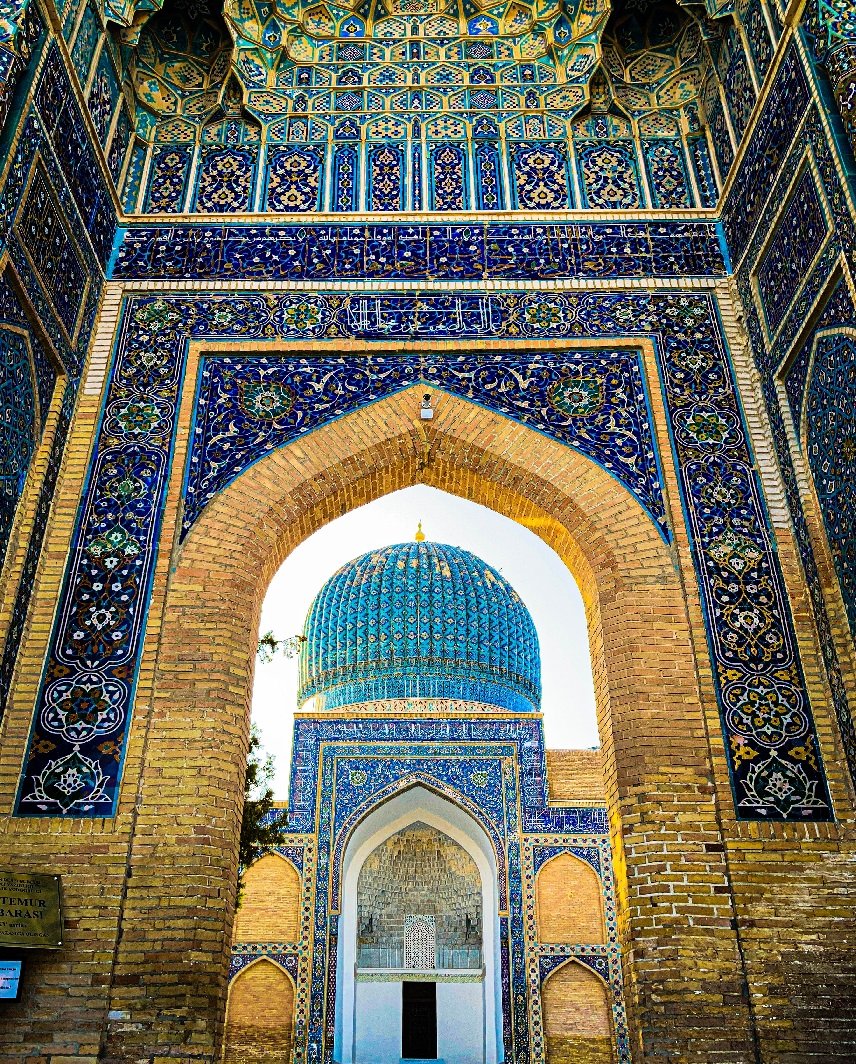
Introduction: Music holds a special place in Uzbek culture, a land rich in history and heritage. With its unique blend of traditional and contemporary influences, Uzbek music adds a magical touch to various ceremonies and celebrations. In this blog post, we delve into the vibrant world of Uzbek music and its significance in cultural ceremonies. 1. Traditional Uzbek Music: Uzbek music finds its roots in ancient Central Asian civilizations, dating back thousands of years. Traditional Uzbek music is characterized by its melodic patterns, intricate rhythms, and captivating lyrics. The primary instruments used include the dutar (a plucked string instrument), the nai (reed flute), and the doira (frame drum). Each instrument plays a crucial role in creating the enchanting sounds that resonate throughout Uzbek ceremonies. 2. Ceremonial Occasions: Uzbek music takes center stage in various ceremonial occasions, adding a sense of grandeur and festivity. Weddings, engagements, birth celebrations, and religious festivals are just a few examples where Uzbek music plays a significant role. These ceremonies are an opportunity for families and communities to come together, and the music serves as a unifying force, transcending language and cultural barriers. 3. Navo: The Uzbek Classical Music: One particular genre of Uzbek music that has inspired generations is Navo, known as the classical music of Uzbekistan. Navo embodies the essence of the country's rich musical heritage. It combines spiritual, romantic, and poetic elements, evoking a range of emotions. This genre often features traditional instruments, such as the tanbur (a long-necked string instrument) and vocalists with exceptional vocal capabilities. 4. Maqom: The Melodic System: At the heart of Uzbek music is the melodic system known as Maqom. Maqom consists of a series of melodic modes and scales, each evoking a distinct mood or emotion. These modes are traditionally associated with certain regions in Uzbekistan, reflecting the diversity of musical expression across the country. 5. Modern Uzbek Music: While traditional music remains a cherished aspect of Uzbek culture, modern influences have also found their way into the country's music scene. Contemporary artists blend traditional instruments and melodies with contemporary genres like pop, rock, and electronic music, creating a unique fusion that appeals to younger audiences. This fusion often takes center stage at receptions, parties, and other modern-day ceremonies. 6. Preserving Uzbek Musical Heritage: As Uzbekistan continues to embrace modernization, there is a growing emphasis on preserving the country's musical heritage. Organizations and institutions are dedicated to the promotion and preservation of traditional Uzbek music. They offer music classes, organize concerts, and facilitate research and documentation, ensuring that future generations can continue to experience the captivating sounds of Uzbek music in their ceremonies. Conclusion: Uzbek music is more than just a form of entertainment; it is an integral part of the country's cultural fabric. The melodies and rhythms of traditional and contemporary Uzbek music add depth, meaning, and joy to various ceremonies and celebrations. Whether it's the soul-stirring Navo or the fusion of modern Uzbek music, the sounds of Uzbekistan continue to captivate and enchant all who experience them. If you are enthusiast, check the following link http://www.borntoresist.com You can also check following website for more information about this subject: http://www.svop.org For additional information, refer to: http://www.qqhbo.com Click the following link for more http://www.albumd.com For an alternative viewpoint, explore http://www.mimidate.com For an alternative viewpoint, explore http://www.keralachessyoutubers.com Seeking in-depth analysis? The following is a must-read. http://www.cotidiano.org To expand your knowledge, I recommend: http://www.ceremonial.net
Leave a Comment:
SEARCH
Recent News
- Uzbekistan is renowned for its rich cultural heritage and traditional handicrafts, including the exquisite wool stoles that have gained popularity worldwide. These wool stoles are not just accessories but pieces of art that showcase the craftsmanship and creativity of Uzbek artisans.
- Winter in Uzbekistan is a magical time, with snow-capped mountains, cozy tea houses, and stunning winter stoles that add a touch of warmth and style to any outfit. These winter stoles are a popular accessory in Uzbekistan, known for their beautiful embroidery, vibrant colors, and luxurious fabrics.
- Uzbekistan is a country rich in biodiversity, with a wide variety of wildlife species inhabiting its diverse landscapes, ranging from deserts to mountains to grasslands. However, like many other countries around the world, Uzbekistan is also facing challenges when it comes to wildlife conservation.
- Uzbekistan is a country with a growing startup ecosystem, and many innovative companies are emerging in various industries. Vancouver, on the other hand, is known for being a hub of technology and entrepreneurship. In this blog post, we will explore some of the top startups in Vancouver and their potential connections or collaborations with startups in Uzbekistan.
- Uzbekistan and Vancouver may seem like two completely different worlds, but when it comes to export and import, they share a common ground. These two regions engage in international trade, exchanging goods and services to foster economic growth and development. Let's take a closer look at the export and import dynamics between Uzbekistan and Vancouver.
- Uzbekistan has a rich culture and history that is reflected in its cuisine, arts, and traditions. This Central Asian country is known for its vibrant markets, stunning architecture, and warm hospitality. One interesting aspect of Uzbekistan is its business ties with Vancouver, a bustling city in Canada.
- Uzbekistan is a country rich in culture, history, and natural beauty. Located in Central Asia, it is known for its stunning architecture, vibrant markets, and warm hospitality. However, in recent years, Uzbekistan has also been making a name for itself in the business world. With a growing economy and a business-friendly environment, Uzbekistan is becoming an attractive destination for companies looking to expand their operations.
- ### Exploring UK Government Business Support Programs for Doing Business in Uzbekistan
READ MORE
11 months ago Category :

Uzbekistan is renowned for its rich cultural heritage and traditional handicrafts, including the exquisite wool stoles that have gained popularity worldwide. These wool stoles are not just accessories but pieces of art that showcase the craftsmanship and creativity of Uzbek artisans.
Read More →11 months ago Category :

Winter in Uzbekistan is a magical time, with snow-capped mountains, cozy tea houses, and stunning winter stoles that add a touch of warmth and style to any outfit. These winter stoles are a popular accessory in Uzbekistan, known for their beautiful embroidery, vibrant colors, and luxurious fabrics.
Read More →11 months ago Category :

Uzbekistan is a country rich in biodiversity, with a wide variety of wildlife species inhabiting its diverse landscapes, ranging from deserts to mountains to grasslands. However, like many other countries around the world, Uzbekistan is also facing challenges when it comes to wildlife conservation.
Read More →11 months ago Category :
