Unveiling the Mysteries of the Silk Road: A Journey through China and Uzbekistan
Category : | Sub Category : Posted on 2023-10-30 21:24:53
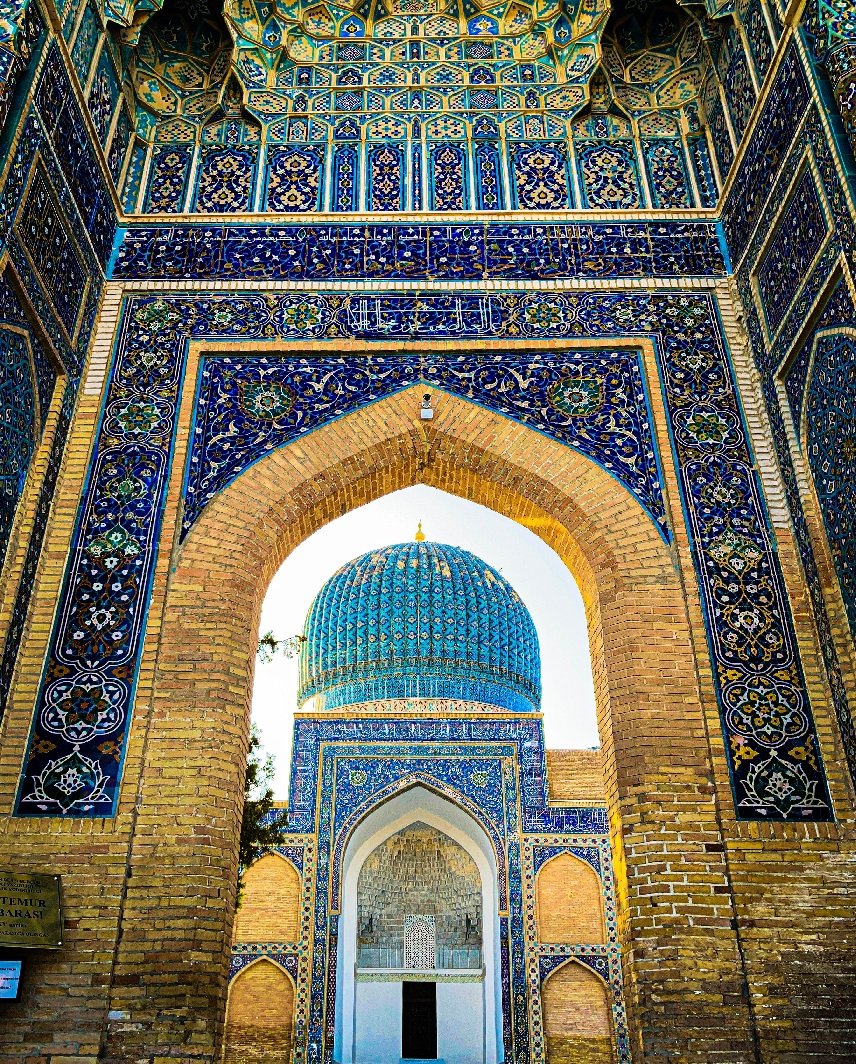
Introduction: The Silk Road holds a special place in the annals of history. For centuries, this vast network of trade routes spanned across continents, connecting civilizations and fostering the exchange of goods, knowledge, and culture. Among the many countries that played a crucial role in this ancient trade network, China and Uzbekistan stand out for their rich history, vibrant heritage, and unparalleled contributions to the Silk Road. In this blog post, we will embark on a virtual journey through these two captivating destinations, exploring the wonders they offer along the Silk Road. 1. The Silk Road in China: China is often considered the birthplace of the Silk Road, as it served as the eastern starting point of this legendary trading route. The Chinese section of the Silk Road was a hub of economic activity, blending diverse cultures and facilitating the transportation of luxurious goods like silk, jade, tea, and spices. As you explore the ancient city of Xi'an, be sure to visit the world-famous Terracotta Army and the majestic Xi'an City Wall both testaments to China's glorious past. A visit to Dunhuang will transport you to the era of camel caravans and enchanting Buddhist grottoes. Don't miss the iconic Mogao Caves, a UNESCO World Heritage Site, adorned with breathtaking murals and sculptures. 2. Uzbekistan: The Crossroads of the Silk Road: Uzbekistan, situated at the heart of Central Asia, was a significant crossroads along the Silk Road. This landlocked nation boasts a remarkable blend of ancient cities, architectural wonders, and welcoming people. Start your Uzbek adventure in majestic Samarkand, one of the oldest inhabited cities on Earth. Marvel at the grandeur of Registan Square, an architectural ensemble featuring stunning madrasas adorned with intricate tilework. Nearby, the Shah-i-Zinda necropolis enthralls visitors with its turquoise domes and mausoleums. In Bukhara, soak up the atmosphere of a living museum as you stroll through its well-preserved medieval streets. Witness the iconic Kalyan Minaret and explore the Ark of Bukhara, an ancient fortress steeped in history. 3. Tracing Cultural Connections: The Silk Road was not just about trade but also about the exchange of ideas, beliefs, and culture. China and Uzbekistan both embody this cultural richness along the Silk Road. In China, explore the captivating Mogao Caves' Buddhist art and ponder the influence it had on the spread of Buddhism to Central Asia. In Uzbekistan, visit the Khiva Museum of Applied Arts to admire intricate silk textiles, ceramics, and embroideries that reveal the region's mastery in the art of silk production. Experience the renowned Uzbek hospitality and indulge in their exquisite cuisine, infused with flavors influenced by centuries of cultural exchange. 4. Modern Routes and Discoveries: While the historic Silk Road no longer functions as a major international trading route, its legacy lives on, and cultural exchanges between China and Uzbekistan continue to flourish. Today, modern connectivity options, like the China-Uzbekistan railway project, reinforce the bond between these nations and encourage tourism, investment, and collaboration. Take advantage of these new transportation links to experience the unique blend of ancient traditions and modern developments that exist in both China and Uzbekistan. Conclusion: Embarking on a journey through the Silk Road is like stepping back in time, immersing yourself in a world of cultural wonders and historical significance. From the ancient trading routes that connected civilizations to the vibrant heritage that thrives in present-day China and Uzbekistan, the legacy of the Silk Road lives on. As you explore the diverse landmarks, meet the friendly locals, and savor the flavors of these incredible destinations, you'll come to understand the enduring impact of the Silk Road on the world we live in today, connecting us all through a shared past. For valuable insights, consult http://www.soitsyou.com
Leave a Comment:
SEARCH
Recent News
- Uzbekistan is renowned for its rich cultural heritage and traditional handicrafts, including the exquisite wool stoles that have gained popularity worldwide. These wool stoles are not just accessories but pieces of art that showcase the craftsmanship and creativity of Uzbek artisans.
- Winter in Uzbekistan is a magical time, with snow-capped mountains, cozy tea houses, and stunning winter stoles that add a touch of warmth and style to any outfit. These winter stoles are a popular accessory in Uzbekistan, known for their beautiful embroidery, vibrant colors, and luxurious fabrics.
- Uzbekistan is a country rich in biodiversity, with a wide variety of wildlife species inhabiting its diverse landscapes, ranging from deserts to mountains to grasslands. However, like many other countries around the world, Uzbekistan is also facing challenges when it comes to wildlife conservation.
- Uzbekistan is a country with a growing startup ecosystem, and many innovative companies are emerging in various industries. Vancouver, on the other hand, is known for being a hub of technology and entrepreneurship. In this blog post, we will explore some of the top startups in Vancouver and their potential connections or collaborations with startups in Uzbekistan.
- Uzbekistan and Vancouver may seem like two completely different worlds, but when it comes to export and import, they share a common ground. These two regions engage in international trade, exchanging goods and services to foster economic growth and development. Let's take a closer look at the export and import dynamics between Uzbekistan and Vancouver.
- Uzbekistan has a rich culture and history that is reflected in its cuisine, arts, and traditions. This Central Asian country is known for its vibrant markets, stunning architecture, and warm hospitality. One interesting aspect of Uzbekistan is its business ties with Vancouver, a bustling city in Canada.
- Uzbekistan is a country rich in culture, history, and natural beauty. Located in Central Asia, it is known for its stunning architecture, vibrant markets, and warm hospitality. However, in recent years, Uzbekistan has also been making a name for itself in the business world. With a growing economy and a business-friendly environment, Uzbekistan is becoming an attractive destination for companies looking to expand their operations.
- ### Exploring UK Government Business Support Programs for Doing Business in Uzbekistan
READ MORE
11 months ago Category :

Uzbekistan is renowned for its rich cultural heritage and traditional handicrafts, including the exquisite wool stoles that have gained popularity worldwide. These wool stoles are not just accessories but pieces of art that showcase the craftsmanship and creativity of Uzbek artisans.
Read More →11 months ago Category :

Winter in Uzbekistan is a magical time, with snow-capped mountains, cozy tea houses, and stunning winter stoles that add a touch of warmth and style to any outfit. These winter stoles are a popular accessory in Uzbekistan, known for their beautiful embroidery, vibrant colors, and luxurious fabrics.
Read More →11 months ago Category :

Uzbekistan is a country rich in biodiversity, with a wide variety of wildlife species inhabiting its diverse landscapes, ranging from deserts to mountains to grasslands. However, like many other countries around the world, Uzbekistan is also facing challenges when it comes to wildlife conservation.
Read More →11 months ago Category :
