Exploring the History and Craftsmanship of China and Uzbekistan Pottery
Category : | Sub Category : Posted on 2023-10-30 21:24:53
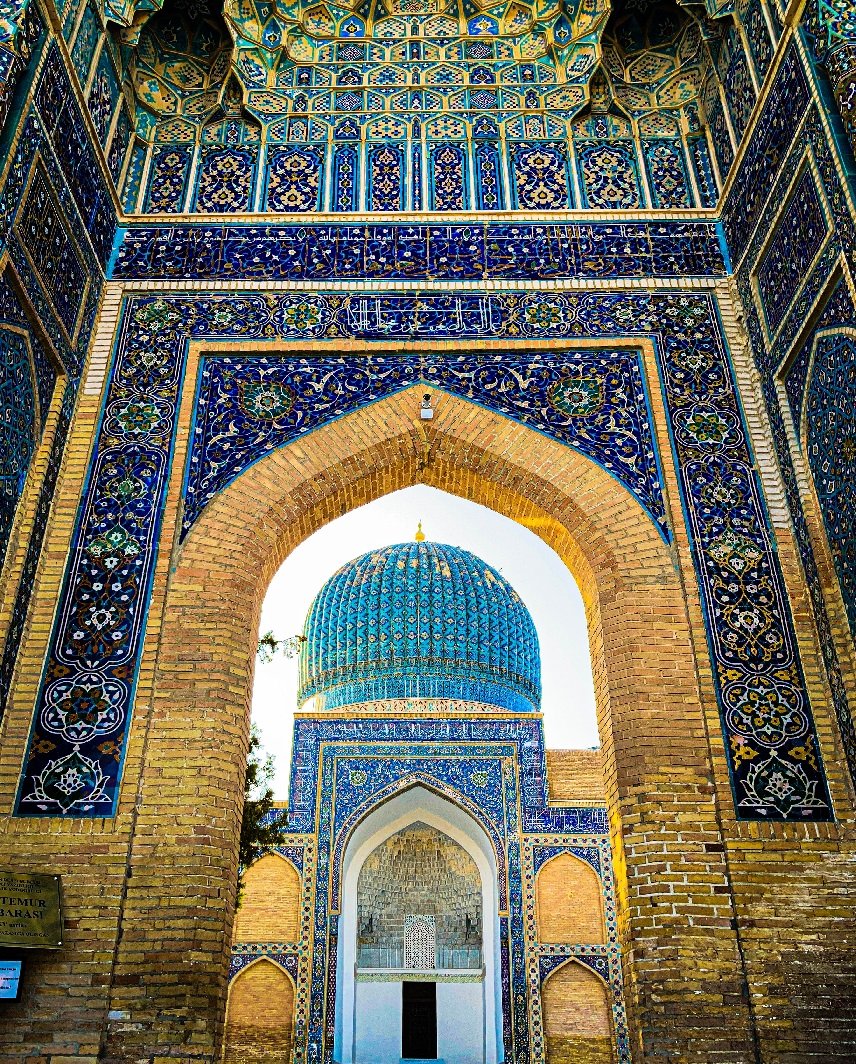
Introduction: Pottery has long been a tradition in both China and Uzbekistan, with each country having its unique style and techniques. In this blog post, we will delve into the rich history and craftsmanship of China and Uzbekistan pottery, shedding light on their cultural significance and the distinct features that make them truly remarkable. China Pottery: China has a rich history of pottery dating back thousands of years. The country's fascination with pottery can be traced back to the Neolithic period, where functional clay vessels were created for daily use. However, it was during the Tang Dynasty (618-907) that Chinese pottery reached its peak in terms of quality, technique, and artistic expression. Chinese pottery is known for its exquisite designs and meticulous attention to detail. The iconic blue and white porcelain is a visual testament to the country's mastery in ceramic art. This delicate art form incorporates intricate patterns and motifs often inspired by nature, mythology, and historical events. The use of cobalt blue oxide and the underglaze technique gives Chinese pottery its distinctive blue and white appearance. Another notable technique used in Chinese pottery is celadon, which originated during the Song Dynasty (960-1279). Celadon pottery is characterized by its pale green glaze, achieved through controlled oxidation firing. This technique creates a stunning range of color variations and produces a smooth, glass-like finish. Uzbekistan Pottery: Uzbekistan, located in Central Asia, is renowned for its unique pottery traditions that reflect the rich cultural heritage of the region. The history of pottery in Uzbekistan can be traced back to the ancient Bactrian civilization, which thrived in the area around 2000 BC. Uzbekistan pottery stands out for its bold and vibrant colors, intricate geometric patterns, and use of traditional motifs. The distinctive technique of slip painting is commonly employed, where a mixture of colored clay (slip) is applied onto the surface of the pottery, creating intricate designs. The city of Rishtan in Uzbekistan is particularly famous for its pottery. The craftsmen in Rishtan are known for their exceptional skills in hand-painting blue and turquoise patterns on their pottery, often incorporating motifs like flowers, fruits, and symbols of good luck and prosperity. Cultural Significance: Both Chinese and Uzbekistan pottery hold great cultural significance in their respective countries. In China, pottery has been an integral part of Chinese culture, representing refinement, beauty, and craftsmanship. The art of pottery has been passed down through generations, with techniques closely guarded and perfected over centuries. In Uzbekistan, pottery plays a vital role in preserving the country's cultural identity and heritage. The vibrant colors and distinctive patterns found in Uzbekistan pottery reflect the convergence of various historical influences, including Persian, Arab, and Turkic cultures. Conclusion: China and Uzbekistan pottery showcase the ingenuity and artistry of these two nations. With their unique techniques, iconic designs, and cultural significance, the pottery from both countries continues to captivate art enthusiasts worldwide. Whether it's the serene and delicate blue and white porcelain from China or the vibrant and intricate patterns of Uzbekistan pottery, these art forms are a testament to the rich history, craftsmanship, and cultural heritage of these respective regions. For more info http://www.soitsyou.com
Leave a Comment:
SEARCH
Recent News
- Uzbekistan is renowned for its rich cultural heritage and traditional handicrafts, including the exquisite wool stoles that have gained popularity worldwide. These wool stoles are not just accessories but pieces of art that showcase the craftsmanship and creativity of Uzbek artisans.
- Winter in Uzbekistan is a magical time, with snow-capped mountains, cozy tea houses, and stunning winter stoles that add a touch of warmth and style to any outfit. These winter stoles are a popular accessory in Uzbekistan, known for their beautiful embroidery, vibrant colors, and luxurious fabrics.
- Uzbekistan is a country rich in biodiversity, with a wide variety of wildlife species inhabiting its diverse landscapes, ranging from deserts to mountains to grasslands. However, like many other countries around the world, Uzbekistan is also facing challenges when it comes to wildlife conservation.
- Uzbekistan is a country with a growing startup ecosystem, and many innovative companies are emerging in various industries. Vancouver, on the other hand, is known for being a hub of technology and entrepreneurship. In this blog post, we will explore some of the top startups in Vancouver and their potential connections or collaborations with startups in Uzbekistan.
- Uzbekistan and Vancouver may seem like two completely different worlds, but when it comes to export and import, they share a common ground. These two regions engage in international trade, exchanging goods and services to foster economic growth and development. Let's take a closer look at the export and import dynamics between Uzbekistan and Vancouver.
- Uzbekistan has a rich culture and history that is reflected in its cuisine, arts, and traditions. This Central Asian country is known for its vibrant markets, stunning architecture, and warm hospitality. One interesting aspect of Uzbekistan is its business ties with Vancouver, a bustling city in Canada.
- Uzbekistan is a country rich in culture, history, and natural beauty. Located in Central Asia, it is known for its stunning architecture, vibrant markets, and warm hospitality. However, in recent years, Uzbekistan has also been making a name for itself in the business world. With a growing economy and a business-friendly environment, Uzbekistan is becoming an attractive destination for companies looking to expand their operations.
- ### Exploring UK Government Business Support Programs for Doing Business in Uzbekistan
READ MORE
11 months ago Category :

Uzbekistan is renowned for its rich cultural heritage and traditional handicrafts, including the exquisite wool stoles that have gained popularity worldwide. These wool stoles are not just accessories but pieces of art that showcase the craftsmanship and creativity of Uzbek artisans.
Read More →11 months ago Category :

Winter in Uzbekistan is a magical time, with snow-capped mountains, cozy tea houses, and stunning winter stoles that add a touch of warmth and style to any outfit. These winter stoles are a popular accessory in Uzbekistan, known for their beautiful embroidery, vibrant colors, and luxurious fabrics.
Read More →11 months ago Category :

Uzbekistan is a country rich in biodiversity, with a wide variety of wildlife species inhabiting its diverse landscapes, ranging from deserts to mountains to grasslands. However, like many other countries around the world, Uzbekistan is also facing challenges when it comes to wildlife conservation.
Read More →11 months ago Category :
