Exploring the Influence of the Chinese Language in Tashkent
Category : | Sub Category : Posted on 2023-10-30 21:24:53
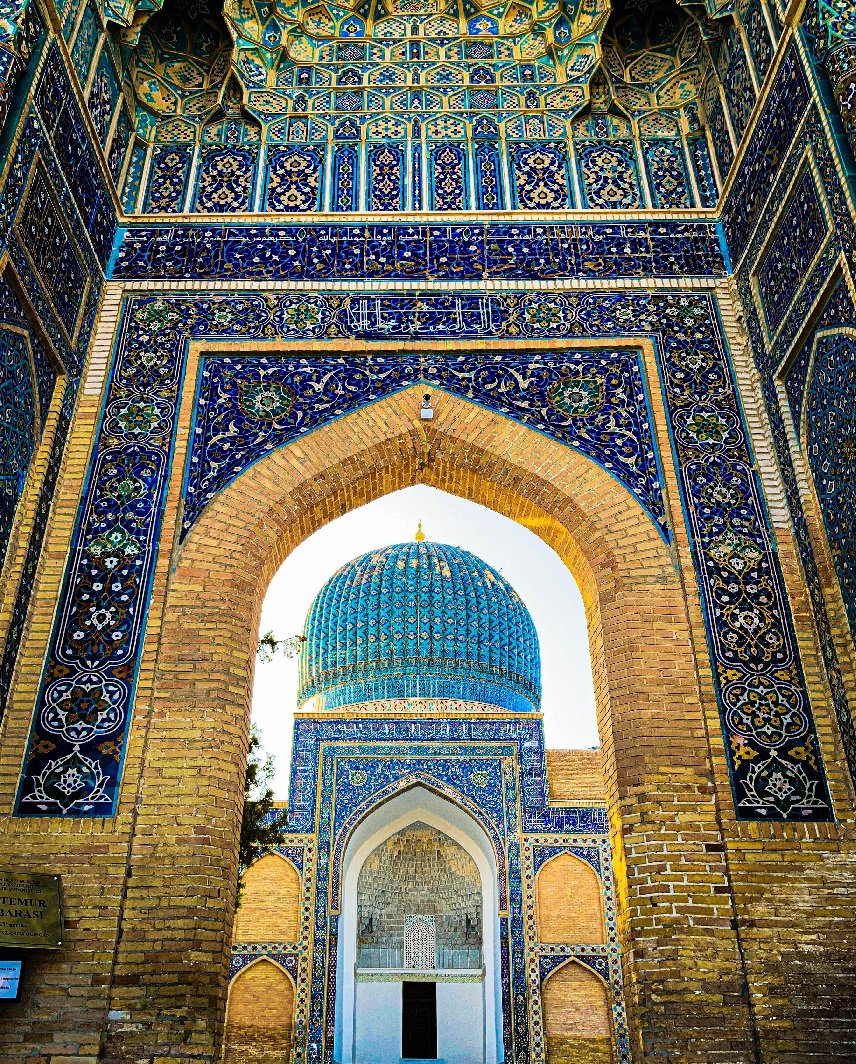
Introduction: Tashkent, the dynamic capital of Uzbekistan, is a melting pot of cultures where traditions from various corners of the world intertwine. Among the many influences, the Chinese language holds a unique place in Tashkent's vibrant linguistic landscape. In this blog post, we will delve into the historical and contemporary significance of the Chinese language in Tashkent, exploring its impact on the community and providing a glimpse into the growing popularity of Chinese language learning. 1. A Historical Connection: Tashkent's connection with the Chinese language dates back centuries, rooted in the ancient Silk Road trade routes that stretched from China to Europe. As a crucial point along this route, Tashkent became a hub for trade and cultural exchange, with Chinese merchants and diplomats traversing through the city. This historical connection laid the foundation for the introduction and subsequent spread of the Chinese language in Tashkent. 2. Chinese Language Education in Tashkent: In recent years, there has been a noticeable increase in the demand for Chinese language education in Tashkent. Chinese language courses and classes have gained popularity among students, professionals, and individuals looking to expand their cultural horizons. Language institutes and cultural centers in the city are offering specialized courses to cater to this rising demand, providing students with a comprehensive understanding of the Chinese language and culture. 3. Business and Economic Impact: The prominence of the Chinese language in Tashkent extends beyond cultural and educational realms. With China emerging as a global economic powerhouse, Uzbekistan has been actively fostering economic ties with its eastern neighbor. The ability to communicate in Chinese has become an invaluable asset for those involved in business and trade, opening up new avenues for collaboration and mutual growth. As a result, the demand for Chinese language skills in Tashkent has escalated, enhancing employment prospects and contributing to the city's economic development. 4. Cultural Exchange and Diplomatic Relations: The Chinese language plays a significant role in facilitating cultural exchange and fostering diplomatic relations between Tashkent and China. It serves as a bridge for deeper understanding and communication between the two nations, promoting cultural understanding and cooperation in various fields such as arts, tourism, and academia. Regular cultural events, language festivals, and exchange programs further strengthen the bond between Tashkent and Chinese-speaking communities, enriching the cultural fabric of the city. Conclusion: The Chinese language has become an integral part of Tashkent's linguistic and cultural tapestry. Its historical significance, increasing demand for language education, economic impact, and role in cultural exchange and diplomacy have solidified its place in the city's growth story. As Tashkent continues to evolve and engage with the global community, the presence of the Chinese language will undoubtedly persist and contribute to the city's multicultural identity for years to come. For an extensive perspective, read http://www.soitsyou.com For more info http://www.stguru.com
Leave a Comment:
SEARCH
Recent News
- Uzbekistan is renowned for its rich cultural heritage and traditional handicrafts, including the exquisite wool stoles that have gained popularity worldwide. These wool stoles are not just accessories but pieces of art that showcase the craftsmanship and creativity of Uzbek artisans.
- Winter in Uzbekistan is a magical time, with snow-capped mountains, cozy tea houses, and stunning winter stoles that add a touch of warmth and style to any outfit. These winter stoles are a popular accessory in Uzbekistan, known for their beautiful embroidery, vibrant colors, and luxurious fabrics.
- Uzbekistan is a country rich in biodiversity, with a wide variety of wildlife species inhabiting its diverse landscapes, ranging from deserts to mountains to grasslands. However, like many other countries around the world, Uzbekistan is also facing challenges when it comes to wildlife conservation.
- Uzbekistan is a country with a growing startup ecosystem, and many innovative companies are emerging in various industries. Vancouver, on the other hand, is known for being a hub of technology and entrepreneurship. In this blog post, we will explore some of the top startups in Vancouver and their potential connections or collaborations with startups in Uzbekistan.
- Uzbekistan and Vancouver may seem like two completely different worlds, but when it comes to export and import, they share a common ground. These two regions engage in international trade, exchanging goods and services to foster economic growth and development. Let's take a closer look at the export and import dynamics between Uzbekistan and Vancouver.
- Uzbekistan has a rich culture and history that is reflected in its cuisine, arts, and traditions. This Central Asian country is known for its vibrant markets, stunning architecture, and warm hospitality. One interesting aspect of Uzbekistan is its business ties with Vancouver, a bustling city in Canada.
- Uzbekistan is a country rich in culture, history, and natural beauty. Located in Central Asia, it is known for its stunning architecture, vibrant markets, and warm hospitality. However, in recent years, Uzbekistan has also been making a name for itself in the business world. With a growing economy and a business-friendly environment, Uzbekistan is becoming an attractive destination for companies looking to expand their operations.
- ### Exploring UK Government Business Support Programs for Doing Business in Uzbekistan
READ MORE
10 months ago Category :

Uzbekistan is renowned for its rich cultural heritage and traditional handicrafts, including the exquisite wool stoles that have gained popularity worldwide. These wool stoles are not just accessories but pieces of art that showcase the craftsmanship and creativity of Uzbek artisans.
Read More →10 months ago Category :

Winter in Uzbekistan is a magical time, with snow-capped mountains, cozy tea houses, and stunning winter stoles that add a touch of warmth and style to any outfit. These winter stoles are a popular accessory in Uzbekistan, known for their beautiful embroidery, vibrant colors, and luxurious fabrics.
Read More →10 months ago Category :

Uzbekistan is a country rich in biodiversity, with a wide variety of wildlife species inhabiting its diverse landscapes, ranging from deserts to mountains to grasslands. However, like many other countries around the world, Uzbekistan is also facing challenges when it comes to wildlife conservation.
Read More →10 months ago Category :
