Uncovering the Treasures of the Chinese Silk Road in Uzbekistan
Category : | Sub Category : Posted on 2023-10-30 21:24:53
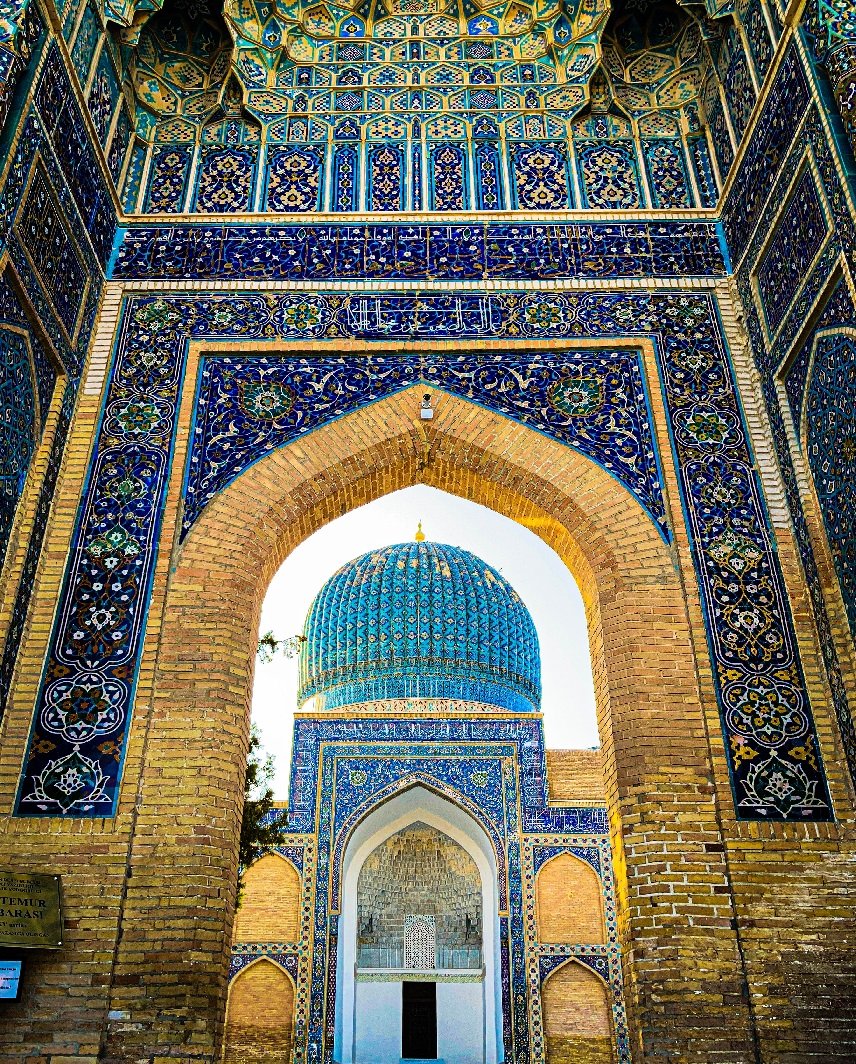
Introduction The Chinese Silk Road, an ancient trade route that connected the East and the West, holds a significant place in history. Spanning thousands of miles, this network of trade routes allowed the exchange of goods, ideas, and cultures between China, Central Asia, and Europe. Among the many countries that played a vital role in this historical route, Uzbekistan emerges as a hidden treasure trove, rich in remnants of the Silk Road era. In this article, we will explore the fascinating world of the Chinese Silk Road in Uzbekistan and discover the unique traces it left behind. 1. The Importance of Uzbekistan on the Chinese Silk Road Situated in the heart of Central Asia, Uzbekistan served as a crucial link on the Chinese Silk Road. The country's strategic location made it an ideal crossroad for traders, who would pass through its territories, bringing with them silk, spices, precious gems, and various other goods. This influx of trade led to the flourishing of cities like Samarkand, Bukhara, and Khiva, which became major centers of commerce, science, and culture. 2. Samarkand: The Jewel of the Silk Road No discussion of the Chinese Silk Road in Uzbekistan is complete without mentioning Samarkand. Known as the "Rome of the East," Samarkand was an important hub on the Silk Road. Its awe-inspiring architectural wonders, such as the Registan Square and the Gur-e-Amir mausoleum, are testaments to the city's former glory. The Ulugh Beg Observatory, built in the 15th century by the Timurid ruler Ulugh Beg, stands as a remarkable example of ancient astronomical knowledge. 3. Bukhara: Preserving the Heritage of the Silk Road Another must-visit destination along the Chinese Silk Road in Uzbekistan is Bukhara. With its well-preserved old town, Bukhara offers a glimpse into the past. Walking through its narrow alleys, one can explore numerous historic mosques, madrasas (Islamic schools), and caravanserais (inns). The Ark of Bukhara, an ancient fortress, is a testament to the city's strategic importance during the Silk Road era. 4. Khiva: A Living Museum of the Silk Road Nestled in the remote reaches of Uzbekistan lies the ancient city of Khiva. Despite being a UNESCO World Heritage Site, Khiva remains relatively undiscovered by tourists, which adds to its charm. Its compact size and well-preserved architectural wonders, including the Ichon-Qala fortress and the Kalta Minor minaret, make it feel like a living museum. Strolling through Khiva's narrow streets, one can get a sense of the vibrant trade that once took place here. 5. The Legacy of Silk Road Trade The Chinese Silk Road not only facilitated the exchange of goods but also played a crucial role in the spread of ideas and cultures. In Uzbekistan, one can witness the convergence of various influences. Islamic art and architecture blend with Chinese and Persian influences, creating a unique cultural synthesis. The art of silk production itself was passed down through generations, with traditional silk workshops still operating in Uzbekistan today. Conclusion Uzbekistan is a hidden gem for those interested in the Chinese Silk Road and the treasures it brought to the region. With its well-preserved cities of Samarkand, Bukhara, and Khiva, Uzbekistan offers a tangible glimpse into the grandeur of the ancient trade route. Exploring these cities is like stepping back in time, where one can witness the remnants of a once-vibrant trade network that shaped the course of history. Visiting Uzbekistan is not only a journey through time but also an opportunity to appreciate the rich cultural heritage that the Chinese Silk Road bestowed upon this fascinating country. More in http://www.soitsyou.com
Leave a Comment:
SEARCH
Recent News
- Uzbekistan is renowned for its rich cultural heritage and traditional handicrafts, including the exquisite wool stoles that have gained popularity worldwide. These wool stoles are not just accessories but pieces of art that showcase the craftsmanship and creativity of Uzbek artisans.
- Winter in Uzbekistan is a magical time, with snow-capped mountains, cozy tea houses, and stunning winter stoles that add a touch of warmth and style to any outfit. These winter stoles are a popular accessory in Uzbekistan, known for their beautiful embroidery, vibrant colors, and luxurious fabrics.
- Uzbekistan is a country rich in biodiversity, with a wide variety of wildlife species inhabiting its diverse landscapes, ranging from deserts to mountains to grasslands. However, like many other countries around the world, Uzbekistan is also facing challenges when it comes to wildlife conservation.
- Uzbekistan is a country with a growing startup ecosystem, and many innovative companies are emerging in various industries. Vancouver, on the other hand, is known for being a hub of technology and entrepreneurship. In this blog post, we will explore some of the top startups in Vancouver and their potential connections or collaborations with startups in Uzbekistan.
- Uzbekistan and Vancouver may seem like two completely different worlds, but when it comes to export and import, they share a common ground. These two regions engage in international trade, exchanging goods and services to foster economic growth and development. Let's take a closer look at the export and import dynamics between Uzbekistan and Vancouver.
- Uzbekistan has a rich culture and history that is reflected in its cuisine, arts, and traditions. This Central Asian country is known for its vibrant markets, stunning architecture, and warm hospitality. One interesting aspect of Uzbekistan is its business ties with Vancouver, a bustling city in Canada.
- Uzbekistan is a country rich in culture, history, and natural beauty. Located in Central Asia, it is known for its stunning architecture, vibrant markets, and warm hospitality. However, in recent years, Uzbekistan has also been making a name for itself in the business world. With a growing economy and a business-friendly environment, Uzbekistan is becoming an attractive destination for companies looking to expand their operations.
- ### Exploring UK Government Business Support Programs for Doing Business in Uzbekistan
READ MORE
11 months ago Category :

Uzbekistan is renowned for its rich cultural heritage and traditional handicrafts, including the exquisite wool stoles that have gained popularity worldwide. These wool stoles are not just accessories but pieces of art that showcase the craftsmanship and creativity of Uzbek artisans.
Read More →11 months ago Category :

Winter in Uzbekistan is a magical time, with snow-capped mountains, cozy tea houses, and stunning winter stoles that add a touch of warmth and style to any outfit. These winter stoles are a popular accessory in Uzbekistan, known for their beautiful embroidery, vibrant colors, and luxurious fabrics.
Read More →11 months ago Category :

Uzbekistan is a country rich in biodiversity, with a wide variety of wildlife species inhabiting its diverse landscapes, ranging from deserts to mountains to grasslands. However, like many other countries around the world, Uzbekistan is also facing challenges when it comes to wildlife conservation.
Read More →11 months ago Category :
