Preserving the Aral Sea Through Computer Vision: A Step Towards Environmental Conservation in Uzbekistan
Category : | Sub Category : Posted on 2023-10-30 21:24:53
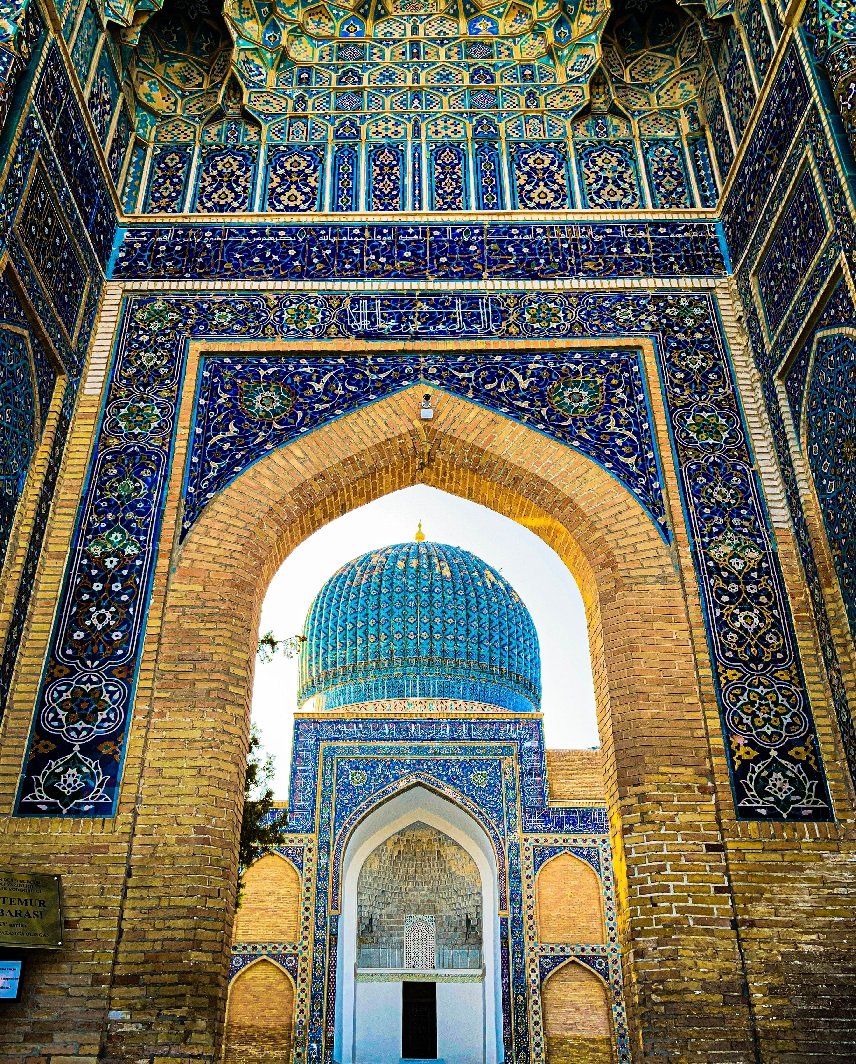
Introduction: The Aral Sea, once one of the world's largest inland bodies of water, has faced severe environmental degradation over the past few decades. Located in Uzbekistan, this once-thriving ecosystem has been dramatically reduced in size due to human activities and climate change. However, emerging technologies like computer vision offer a glimmer of hope for the conservation and restoration of this magnificent natural resource. In this blog post, we will explore the potential of computer vision in preserving the Aral Sea in Uzbekistan. 1. The Environmental Impact on the Aral Sea: The story of the Aral Sea is characterized by extensive irrigation projects implemented during the Soviet era. These projects diverted water from the rivers that fed the sea to support intensive cotton farming in the region. As a result, the sea began to shrink rapidly, leaving behind barren land and decimated ecosystems. This ecological disaster has had severe consequences for local communities, including economic decline and health issues. 2. Computer Vision: An Overview: Computer vision refers to the field of artificial intelligence that focuses on giving computers the ability to understand and interpret visual information. It involves training machines to analyze and recognize images or video content, enabling them to identify objects, detect patterns, and make informed decisions based on visual data. 3. Monitoring the Aral Sea with Computer Vision: Computer vision can play a crucial role in monitoring the current state of the Aral Sea and its surrounding areas. By utilizing drones equipped with high-resolution cameras and computer vision algorithms, scientists and conservationists can obtain real-time visual data on the sea's conditions. These systems can help track changes in water levels, identify areas of potential erosion, and monitor the movement of sediment and pollutants. Additionally, computer vision algorithms can detect changes in water quality and vegetation cover, aiding in the identification of areas that require immediate attention. 4. Predicting and Mitigating Environmental Impacts: One of the greatest advantages of computer vision in preserving the Aral Sea lies in its ability to predict and mitigate future environmental impacts. By analyzing historical imagery and data, computer vision algorithms can identify patterns and make predictions about the sea's future state. This information can guide policymakers and conservationists in developing effective strategies for mitigating further degradation and facilitating habitat restoration. 5. Empowering Local Communities: Computer vision technology can also empower local communities to actively participate in the conservation efforts of the Aral Sea. By providing accessible and user-friendly interfaces, community members can contribute to data collection, monitoring, and reporting activities. This collaborative approach fosters a sense of ownership and responsibility among the local population, ultimately leading to more effective conservation practices. Conclusion: The application of computer vision technology in the conservation of the Aral Sea in Uzbekistan offers new possibilities for environmental monitoring, prediction, and conservation. By harnessing the power of artificial intelligence and visual data analysis, scientists, conservationists, and local communities can work together to preserve and restore this invaluable natural resource. With continued advancements in technology and increased awareness, we can strive towards a brighter future for the Aral Sea and its surrounding ecosystems. Uncover valuable insights in http://www.thunderact.com More about this subject in http://www.vfeat.com
Leave a Comment:
SEARCH
Recent News
- Uzbekistan is renowned for its rich cultural heritage and traditional handicrafts, including the exquisite wool stoles that have gained popularity worldwide. These wool stoles are not just accessories but pieces of art that showcase the craftsmanship and creativity of Uzbek artisans.
- Winter in Uzbekistan is a magical time, with snow-capped mountains, cozy tea houses, and stunning winter stoles that add a touch of warmth and style to any outfit. These winter stoles are a popular accessory in Uzbekistan, known for their beautiful embroidery, vibrant colors, and luxurious fabrics.
- Uzbekistan is a country rich in biodiversity, with a wide variety of wildlife species inhabiting its diverse landscapes, ranging from deserts to mountains to grasslands. However, like many other countries around the world, Uzbekistan is also facing challenges when it comes to wildlife conservation.
- Uzbekistan is a country with a growing startup ecosystem, and many innovative companies are emerging in various industries. Vancouver, on the other hand, is known for being a hub of technology and entrepreneurship. In this blog post, we will explore some of the top startups in Vancouver and their potential connections or collaborations with startups in Uzbekistan.
- Uzbekistan and Vancouver may seem like two completely different worlds, but when it comes to export and import, they share a common ground. These two regions engage in international trade, exchanging goods and services to foster economic growth and development. Let's take a closer look at the export and import dynamics between Uzbekistan and Vancouver.
- Uzbekistan has a rich culture and history that is reflected in its cuisine, arts, and traditions. This Central Asian country is known for its vibrant markets, stunning architecture, and warm hospitality. One interesting aspect of Uzbekistan is its business ties with Vancouver, a bustling city in Canada.
- Uzbekistan is a country rich in culture, history, and natural beauty. Located in Central Asia, it is known for its stunning architecture, vibrant markets, and warm hospitality. However, in recent years, Uzbekistan has also been making a name for itself in the business world. With a growing economy and a business-friendly environment, Uzbekistan is becoming an attractive destination for companies looking to expand their operations.
- ### Exploring UK Government Business Support Programs for Doing Business in Uzbekistan
READ MORE
11 months ago Category :

Uzbekistan is renowned for its rich cultural heritage and traditional handicrafts, including the exquisite wool stoles that have gained popularity worldwide. These wool stoles are not just accessories but pieces of art that showcase the craftsmanship and creativity of Uzbek artisans.
Read More →11 months ago Category :

Winter in Uzbekistan is a magical time, with snow-capped mountains, cozy tea houses, and stunning winter stoles that add a touch of warmth and style to any outfit. These winter stoles are a popular accessory in Uzbekistan, known for their beautiful embroidery, vibrant colors, and luxurious fabrics.
Read More →11 months ago Category :

Uzbekistan is a country rich in biodiversity, with a wide variety of wildlife species inhabiting its diverse landscapes, ranging from deserts to mountains to grasslands. However, like many other countries around the world, Uzbekistan is also facing challenges when it comes to wildlife conservation.
Read More →11 months ago Category :
