Exploring the Rich Cultural Heritage and Language of Uzbekistan
Category : | Sub Category : Posted on 2023-10-30 21:24:53
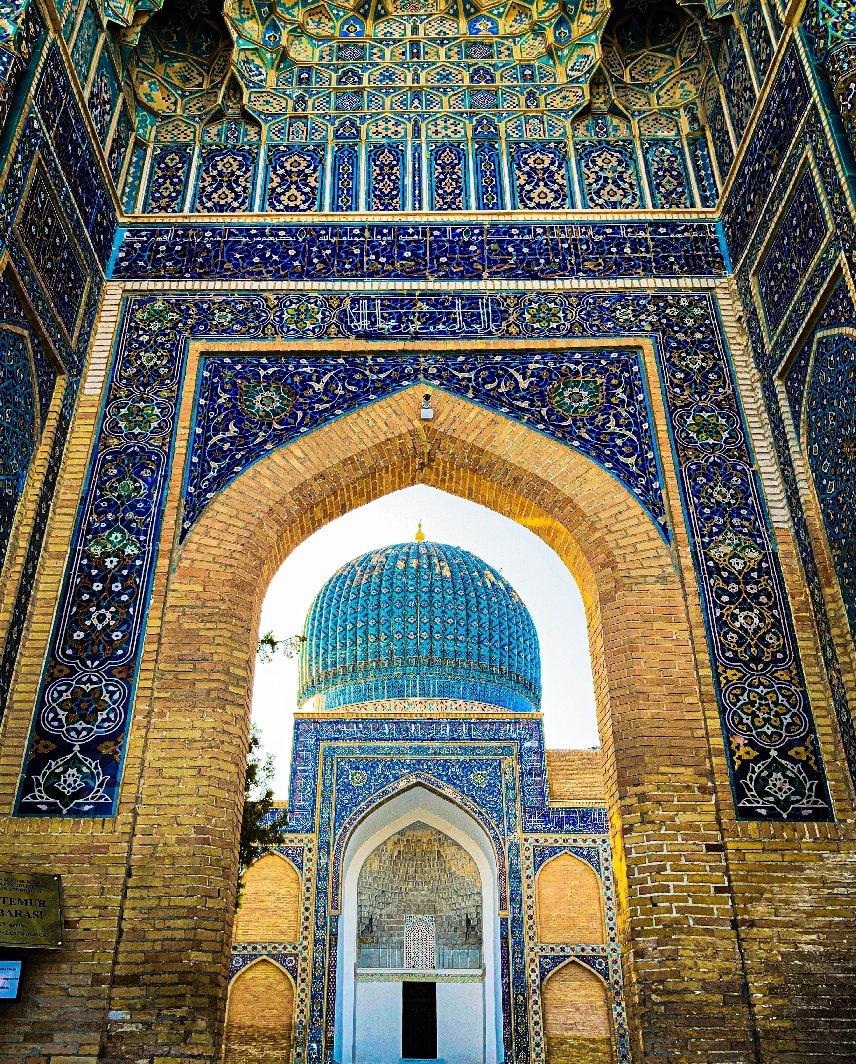
Uzbekistan, a landlocked country in Central Asia, is widely known for its vibrant and diverse culture. From its majestic architectural wonders to its delicious cuisine, Uzbekistan offers a unique and fascinating experience for travelers. In this blog post, we will delve deeper into the rich cultural heritage and the unique Uzbek language. The Uzbek language, also known as Ozbek tili, is the official language of Uzbekistan. It belongs to the Turkic language family and is closely related to other Turkic languages such as Kazakh, Kyrgyz, and Turkish. With over 30 million speakers worldwide, Uzbek is not only the national language of Uzbekistan but is also spoken in neighboring countries like Tajikistan, Kazakhstan, and Afghanistan. The history of the Uzbek language dates back several centuries. It evolved from the Chagatai language, which was used during the Timurid Empire. Over the years, Persian and Arabic influenced the language, resulting in a unique blend of Turkic, Persian, and Arabic elements. Today, the Uzbek language is written using the Latin alphabet, but it was previously written in Arabic and Cyrillic scripts. Uzbekistan's diverse cultural heritage plays a vital role in shaping the Uzbek language. The country has been a melting pot of various civilizations for centuries. From the conquests of Alexander the Great to the silk road trade, Uzbekistan has witnessed the influence of Persian, Arabic, Mongolian, and Russian cultures, among others. The Uzbek language reflects this rich tapestry of cultural influences. Many words and phrases in Uzbek have Persian and Arabic origins, adding depth and complexity to the language. The diverse cultural elements have also shaped the customs, traditions, and way of life of the Uzbek people, making it an intriguing destination for cultural enthusiasts. One of the most fascinating aspects of Uzbek culture is its architectural heritage. Cities like Samarkand, Bukhara, and Khiva are home to stunning historical sites that showcase the magnificent architectural prowess of the Uzbek people. The intricate tile work, ornate domes, and majestic minarets found in these cities are a testament to the rich artistic and architectural traditions of Uzbekistan. The Uzbek cuisine is another integral part of the country's cultural identity. The flavors and techniques used in Uzbek cooking have been passed down through generations, resulting in a cuisine that is both delicious and unique. Traditional dishes like plov (pilaf), manti (dumplings), and shashlik (grilled kebabs) are staples of Uzbek cuisine and are often enjoyed with warm hospitality by the Uzbek people. Visiting Uzbekistan provides an opportunity to immerse oneself in a truly authentic cultural experience. Exploring the bustling bazaars, admiring the ancient architecture, and sampling the mouthwatering delicacies are just some of the highlights that await travelers in this enchanting country. In conclusion, Uzbekistan is a treasure trove of culture, history, and language. The Uzbek language, with its fascinating blend of Turkic, Persian, and Arabic influences, adds depth and richness to the country's cultural tapestry. Pair this with the mesmerizing architectural wonders and delectable cuisine, and you have a destination that is bound to captivate and leave a lasting impression on any traveler fortunate enough to visit. For the latest research, visit http://www.culturepolitics.com For an alternative viewpoint, explore http://www.mimidate.com
Leave a Comment:
SEARCH
Recent News
- Uzbekistan is renowned for its rich cultural heritage and traditional handicrafts, including the exquisite wool stoles that have gained popularity worldwide. These wool stoles are not just accessories but pieces of art that showcase the craftsmanship and creativity of Uzbek artisans.
- Winter in Uzbekistan is a magical time, with snow-capped mountains, cozy tea houses, and stunning winter stoles that add a touch of warmth and style to any outfit. These winter stoles are a popular accessory in Uzbekistan, known for their beautiful embroidery, vibrant colors, and luxurious fabrics.
- Uzbekistan is a country rich in biodiversity, with a wide variety of wildlife species inhabiting its diverse landscapes, ranging from deserts to mountains to grasslands. However, like many other countries around the world, Uzbekistan is also facing challenges when it comes to wildlife conservation.
- Uzbekistan is a country with a growing startup ecosystem, and many innovative companies are emerging in various industries. Vancouver, on the other hand, is known for being a hub of technology and entrepreneurship. In this blog post, we will explore some of the top startups in Vancouver and their potential connections or collaborations with startups in Uzbekistan.
- Uzbekistan and Vancouver may seem like two completely different worlds, but when it comes to export and import, they share a common ground. These two regions engage in international trade, exchanging goods and services to foster economic growth and development. Let's take a closer look at the export and import dynamics between Uzbekistan and Vancouver.
- Uzbekistan has a rich culture and history that is reflected in its cuisine, arts, and traditions. This Central Asian country is known for its vibrant markets, stunning architecture, and warm hospitality. One interesting aspect of Uzbekistan is its business ties with Vancouver, a bustling city in Canada.
- Uzbekistan is a country rich in culture, history, and natural beauty. Located in Central Asia, it is known for its stunning architecture, vibrant markets, and warm hospitality. However, in recent years, Uzbekistan has also been making a name for itself in the business world. With a growing economy and a business-friendly environment, Uzbekistan is becoming an attractive destination for companies looking to expand their operations.
- ### Exploring UK Government Business Support Programs for Doing Business in Uzbekistan
READ MORE
11 months ago Category :

Uzbekistan is renowned for its rich cultural heritage and traditional handicrafts, including the exquisite wool stoles that have gained popularity worldwide. These wool stoles are not just accessories but pieces of art that showcase the craftsmanship and creativity of Uzbek artisans.
Read More →11 months ago Category :

Winter in Uzbekistan is a magical time, with snow-capped mountains, cozy tea houses, and stunning winter stoles that add a touch of warmth and style to any outfit. These winter stoles are a popular accessory in Uzbekistan, known for their beautiful embroidery, vibrant colors, and luxurious fabrics.
Read More →11 months ago Category :

Uzbekistan is a country rich in biodiversity, with a wide variety of wildlife species inhabiting its diverse landscapes, ranging from deserts to mountains to grasslands. However, like many other countries around the world, Uzbekistan is also facing challenges when it comes to wildlife conservation.
Read More →11 months ago Category :
