Exploring the Aral Sea with Drones: Uncovering the Tragic Beauty
Category : | Sub Category : Posted on 2023-10-30 21:24:53
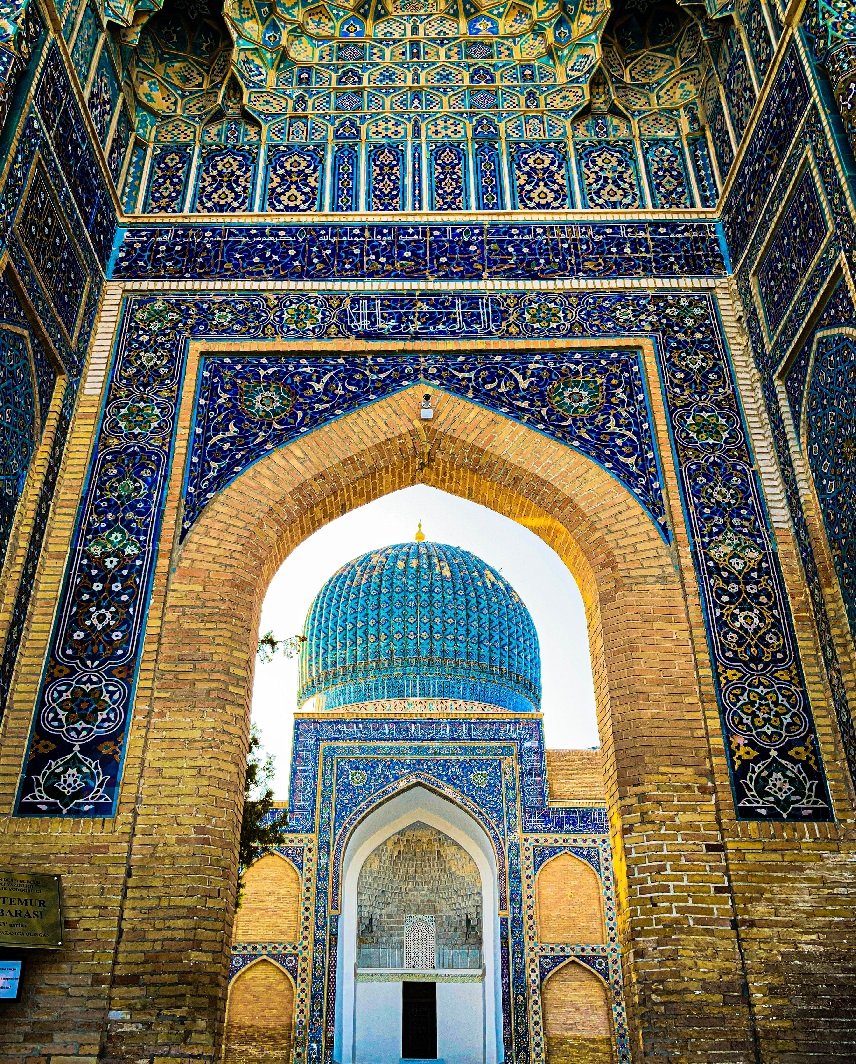
The Aral Sea, once one of the largest inland bodies of water in the world, is now a barren and desolate landscape serving as a harsh reminder of environmental degradation. Located in Uzbekistan and Kazakhstan, this once-thriving ecosystem now provides a haunting backdrop for the devastating consequences of human activities. However, thanks to the technological capabilities of drones, we can now capture the essence of this tragic beauty and bring attention to the urgent need for sustainable environmental practices. Drones have revolutionized the way we perceive and study our environment. Equipped with high-definition cameras, these unmanned aerial vehicles offer a unique perspective, allowing us to witness the scale and impact of the Aral Sea crisis. By flying over the deserted, dried seabed, drones capture captivating images that highlight the magnitude of this ecological disaster. One of the most striking features captured by drones is the contrasting landscape. From above, the once-vibrant shoreline has transformed into a vast, desolate desert. The exposed, cracked earth lays bare the consequences of excessive water diversion from the rivers feeding the Aral Sea. These images serve as a powerful reminder of the environmental damage caused by human intervention and reckless water management practices. Additionally, drones provide a tool for scientists and environmentalists to collect valuable data about the current state of the Aral Sea and its surrounding regions. With thermal sensors and infrared cameras, researchers can analyze soil moisture levels, vegetation growth patterns, and detect traces of water. This data is crucial for understanding the impact of climate change and formulating effective restoration strategies. Moreover, drones can navigate hard-to-reach areas of the Aral Sea, aiding in the detection and monitoring of toxic elements and pollutants. The sea, once home to a thriving fishing industry, is now contaminated with chemical residues and salt. By identifying the areas most affected by pollution, scientists can develop targeted cleanup efforts and work towards revitalizing the ecosystem. Despite the desolation and devastation, the Aral Sea still holds pockets of resilience. Drones have captured images of small, isolated water bodies that have formed amidst the ruins. These oases sustain wildlife, including migratory birds and small fish, giving hope for the revival of this ecosystem. The beauty captured by drone photography both captivates and raises awareness. It serves as a visual testament to the urgent need for change, encouraging individuals and governments to take action against unsustainable practices. By shedding light on the Aral Sea crisis, we can foster a global conversation about the importance of responsible water management and environmental conservation. In conclusion, drones have become indispensable tools in documenting and researching the Aral Sea crisis. Their ability to capture breathtaking images and collect vital data helps us understand the severity of the situation and the steps needed for restoration. By harnessing the power of technology, we can work towards preserving the Aral Sea, ensuring that future generations can witness the true beauty this region once held. For a deeper dive, visit: http://www.jetiify.com Visit the following website http://www.s6s.org
Leave a Comment:
SEARCH
Recent News
- Uzbekistan is renowned for its rich cultural heritage and traditional handicrafts, including the exquisite wool stoles that have gained popularity worldwide. These wool stoles are not just accessories but pieces of art that showcase the craftsmanship and creativity of Uzbek artisans.
- Winter in Uzbekistan is a magical time, with snow-capped mountains, cozy tea houses, and stunning winter stoles that add a touch of warmth and style to any outfit. These winter stoles are a popular accessory in Uzbekistan, known for their beautiful embroidery, vibrant colors, and luxurious fabrics.
- Uzbekistan is a country rich in biodiversity, with a wide variety of wildlife species inhabiting its diverse landscapes, ranging from deserts to mountains to grasslands. However, like many other countries around the world, Uzbekistan is also facing challenges when it comes to wildlife conservation.
- Uzbekistan is a country with a growing startup ecosystem, and many innovative companies are emerging in various industries. Vancouver, on the other hand, is known for being a hub of technology and entrepreneurship. In this blog post, we will explore some of the top startups in Vancouver and their potential connections or collaborations with startups in Uzbekistan.
- Uzbekistan and Vancouver may seem like two completely different worlds, but when it comes to export and import, they share a common ground. These two regions engage in international trade, exchanging goods and services to foster economic growth and development. Let's take a closer look at the export and import dynamics between Uzbekistan and Vancouver.
- Uzbekistan has a rich culture and history that is reflected in its cuisine, arts, and traditions. This Central Asian country is known for its vibrant markets, stunning architecture, and warm hospitality. One interesting aspect of Uzbekistan is its business ties with Vancouver, a bustling city in Canada.
- Uzbekistan is a country rich in culture, history, and natural beauty. Located in Central Asia, it is known for its stunning architecture, vibrant markets, and warm hospitality. However, in recent years, Uzbekistan has also been making a name for itself in the business world. With a growing economy and a business-friendly environment, Uzbekistan is becoming an attractive destination for companies looking to expand their operations.
- ### Exploring UK Government Business Support Programs for Doing Business in Uzbekistan
READ MORE
11 months ago Category :

Uzbekistan is renowned for its rich cultural heritage and traditional handicrafts, including the exquisite wool stoles that have gained popularity worldwide. These wool stoles are not just accessories but pieces of art that showcase the craftsmanship and creativity of Uzbek artisans.
Read More →11 months ago Category :

Winter in Uzbekistan is a magical time, with snow-capped mountains, cozy tea houses, and stunning winter stoles that add a touch of warmth and style to any outfit. These winter stoles are a popular accessory in Uzbekistan, known for their beautiful embroidery, vibrant colors, and luxurious fabrics.
Read More →11 months ago Category :

Uzbekistan is a country rich in biodiversity, with a wide variety of wildlife species inhabiting its diverse landscapes, ranging from deserts to mountains to grasslands. However, like many other countries around the world, Uzbekistan is also facing challenges when it comes to wildlife conservation.
Read More →11 months ago Category :
