The Devastating Health Impacts of the Aral Sea Crisis in Uzbekistan
Category : | Sub Category : Posted on 2023-10-30 21:24:53
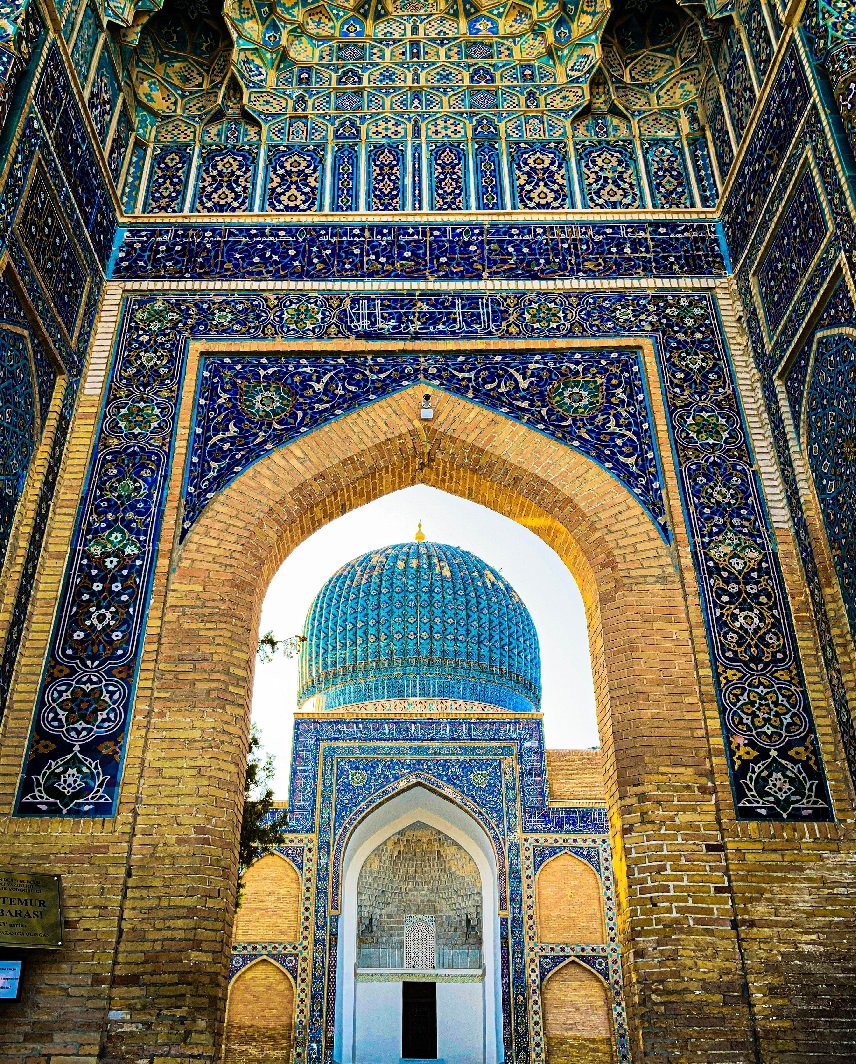
Introduction: The Aral Sea, once the fourth-largest lake in the world, has experienced a catastrophic ecological crisis over the past few decades. Located in Central Asia, mainly between Uzbekistan and Kazakhstan, the Aral Sea's shrinking has not only led to environmental devastation but also severe health consequences for the local population. In this blog post, we will explore the impact of the Aral Sea crisis on the health of Uzbekistan and its residents. 1. Respiratory Diseases and Air Pollution: The shrinking of the Aral Sea has exposed vast stretches of dry bed under which toxic chemicals, pesticides, and salt lie dormant. As winds whip across the barren seabed, they carry these pollutants into nearby inhabited regions. This phenomenon has led to deteriorating air quality, resulting in increased cases of respiratory diseases such as asthma, bronchitis, and pneumonia among the local population. 2. Water Scarcity and Malnutrition: The Aral Sea crisis has caused a drastic reduction in the water level, with some estimates suggesting that it has lost about 90% of its original volume. This water shortage has severely impacted the availability and quality of drinking water in the region. As a result, many communities have limited access to safe and clean water, leading to malnutrition, dehydration, and waterborne diseases like cholera and typhoid fever. 3. Contaminated Food Supply: As the Aral Sea has dried up, the exposed seabed has become contaminated with high levels of salt and pesticides. When the wind blows over these barren lands, it carries these chemicals onto nearby agricultural fields, contaminating crops with harmful substances. Consuming these contaminated crops exposes the local population to toxic substances, leading to various health issues such as organ damage, cancer, and fertility problems. 4. Increased Incidence of Skin Disorders: The high salt and chemical content in the air and water surrounding the Aral Sea exacerbates skin problems among the population. Dermatitis, eczema, and other skin disorders have become prevalent due to prolonged exposure to these harmful substances. Moreover, the loss of natural barriers like the sea has resulted in sandstorms, further aggravating skin conditions. 5. Mental Health Issues and Socioeconomic Factors: The Aral Sea crisis has brought significant economic hardships to the region, causing social unrest, unemployment, and poverty. These factors, combined with the deteriorating environmental conditions, have led to increased stress, anxiety, and depression among the affected population. Lack of resources, limited access to healthcare, and infrastructure degradation further exacerbate mental health issues. Conclusion: The health effects of the Aral Sea crisis in Uzbekistan are far-reaching and devastating. Respiratory diseases, water scarcity, malnutrition, contaminated food supply, skin disorders, and mental health issues are just some of the consequences faced by the local population. Urgent measures are needed to address this ecological catastrophe and mitigate the health impacts on the people of Uzbekistan. It is essential for governments, international organizations, and local communities to work together to restore the Aral Sea and improve the living conditions and well-being of those affected. For a comprehensive review, explore http://www.doctorregister.com Uncover valuable insights in http://www.tinyfed.com For a different perspective, see: http://www.natclar.com
Leave a Comment:
SEARCH
Recent News
- Uzbekistan is renowned for its rich cultural heritage and traditional handicrafts, including the exquisite wool stoles that have gained popularity worldwide. These wool stoles are not just accessories but pieces of art that showcase the craftsmanship and creativity of Uzbek artisans.
- Winter in Uzbekistan is a magical time, with snow-capped mountains, cozy tea houses, and stunning winter stoles that add a touch of warmth and style to any outfit. These winter stoles are a popular accessory in Uzbekistan, known for their beautiful embroidery, vibrant colors, and luxurious fabrics.
- Uzbekistan is a country rich in biodiversity, with a wide variety of wildlife species inhabiting its diverse landscapes, ranging from deserts to mountains to grasslands. However, like many other countries around the world, Uzbekistan is also facing challenges when it comes to wildlife conservation.
- Uzbekistan is a country with a growing startup ecosystem, and many innovative companies are emerging in various industries. Vancouver, on the other hand, is known for being a hub of technology and entrepreneurship. In this blog post, we will explore some of the top startups in Vancouver and their potential connections or collaborations with startups in Uzbekistan.
- Uzbekistan and Vancouver may seem like two completely different worlds, but when it comes to export and import, they share a common ground. These two regions engage in international trade, exchanging goods and services to foster economic growth and development. Let's take a closer look at the export and import dynamics between Uzbekistan and Vancouver.
- Uzbekistan has a rich culture and history that is reflected in its cuisine, arts, and traditions. This Central Asian country is known for its vibrant markets, stunning architecture, and warm hospitality. One interesting aspect of Uzbekistan is its business ties with Vancouver, a bustling city in Canada.
- Uzbekistan is a country rich in culture, history, and natural beauty. Located in Central Asia, it is known for its stunning architecture, vibrant markets, and warm hospitality. However, in recent years, Uzbekistan has also been making a name for itself in the business world. With a growing economy and a business-friendly environment, Uzbekistan is becoming an attractive destination for companies looking to expand their operations.
- ### Exploring UK Government Business Support Programs for Doing Business in Uzbekistan
READ MORE
10 months ago Category :

Uzbekistan is renowned for its rich cultural heritage and traditional handicrafts, including the exquisite wool stoles that have gained popularity worldwide. These wool stoles are not just accessories but pieces of art that showcase the craftsmanship and creativity of Uzbek artisans.
Read More →10 months ago Category :

Winter in Uzbekistan is a magical time, with snow-capped mountains, cozy tea houses, and stunning winter stoles that add a touch of warmth and style to any outfit. These winter stoles are a popular accessory in Uzbekistan, known for their beautiful embroidery, vibrant colors, and luxurious fabrics.
Read More →10 months ago Category :

Uzbekistan is a country rich in biodiversity, with a wide variety of wildlife species inhabiting its diverse landscapes, ranging from deserts to mountains to grasslands. However, like many other countries around the world, Uzbekistan is also facing challenges when it comes to wildlife conservation.
Read More →10 months ago Category :
