Exploring the Historical Medicine Silk Road in Uzbekistan
Category : | Sub Category : Posted on 2023-10-30 21:24:53
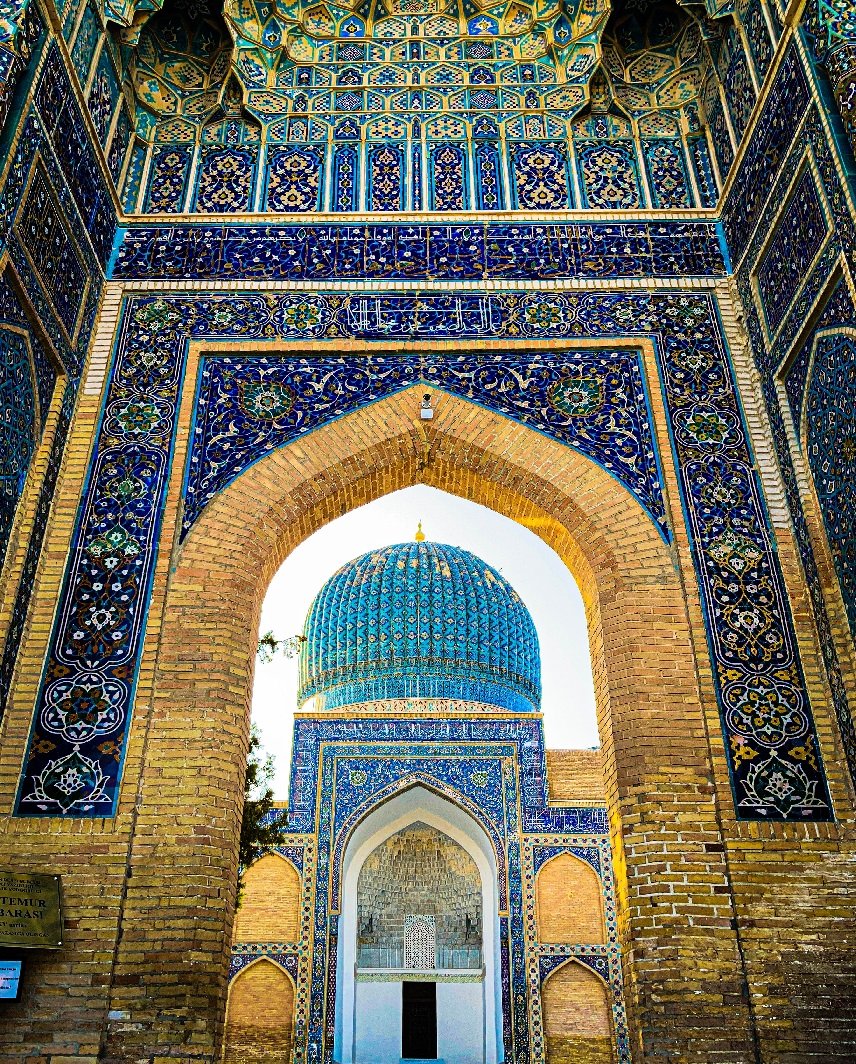
Uzbekistan, known for its rich history and vibrant culture, has been a gateway connecting civilizations for centuries. One of the most significant routes that passed through this beautiful Central Asian country is the famous Silk Road. While it is commonly associated with trade and commerce, the Silk Road also played a crucial role in the interchange of knowledge and medicine. In this blog post, we will delve into the historical medicine Silk Road of Uzbekistan and the cultural influence it had on the region. The ancient Silk Road spanned thousands of kilometers and connected the East and the West, facilitating the exchange of goods and ideas. Uzbekistan, being a major crossroad on this route, saw the transmission of medical knowledge between different regions and cultures, resulting in a unique blend of healing traditions. Uzbekistan's geographical location allowed it to serve as a meeting point for various healing practices from neighboring countries such as China, Persia, India, and the Arab nations. These diverse medical systems influenced and enriched the traditional Uzbek medicine, creating a fascinating blend of therapeutic techniques and herbal remedies. One of the most notable contributions of the Silk Road to Uzbek medicine was the introduction of traditional Chinese medicine. The ancient Chinese healing methods, including acupuncture, herbal medicine, and pulse diagnosis, found their way into Uzbekistan along the Silk Road. These practices were quickly adopted and integrated into the existing medical system, which was heavily influenced by Persian and Arab medicine. The Persian and Arab medicines also played a significant role in shaping the medical landscape of Uzbekistan. The Persian physician Ibn Sina (Avicenna), considered one of the most influential figures in medicine, left an indelible mark on the region. His renowned medical encyclopedia, "The Canon of Medicine," became a guiding light for many Central Asian healers, providing them with comprehensive knowledge of diagnosis, treatment, and pharmacology. Uzbekistan's own traditional medicine, known as "Tibb-e-Unani," emerged as a result of the amalgamation of Persian, Arab, and native Uzbek healing practices. This holistic approach to medicine focuses on balancing the body's elements (hot, cold, wet, dry) and uses herbal remedies, dietary recommendations, and physical therapies to restore health and promote well-being. Visitors to Uzbekistan can explore the legacy of the medicine Silk Road through various historical sites and institutions dedicated to preserving and promoting traditional medicine. One such location is the Tashkent Institute of Advanced Medical Studies, which houses a museum exhibiting artifacts, manuscripts, and equipment used in traditional Uzbek medicine. Additionally, the picturesque city of Samarqand, once a thriving center along the Silk Road, is home to the renowned Ulugh Beg Madrasa and Observatory. Here, visitors can witness how medicine and astronomy were interconnected during medieval times, shedding light on the scientific advancements made along these ancient trade routes. In conclusion, Uzbekistan's position on the Silk Road allowed for the exchange of medical knowledge and practices among different civilizations, resulting in a rich and diverse healing tradition. From the integration of Chinese medicine to the influence of Persian and Arab healing techniques, Uzbekistan's traditional medicine is a testament to the cultural interplay that shaped the region's medical heritage. Exploring the historical medicine Silk Road in Uzbekistan offers a fascinating glimpse into the past and a deeper understanding of the country's unique healing traditions. If you are enthusiast, check the following link http://www.doctorregister.com Want to learn more? Start with: http://www.tinyfed.com To delve deeper into this subject, consider these articles: http://www.natclar.com
Leave a Comment:
SEARCH
Recent News
- Uzbekistan is renowned for its rich cultural heritage and traditional handicrafts, including the exquisite wool stoles that have gained popularity worldwide. These wool stoles are not just accessories but pieces of art that showcase the craftsmanship and creativity of Uzbek artisans.
- Winter in Uzbekistan is a magical time, with snow-capped mountains, cozy tea houses, and stunning winter stoles that add a touch of warmth and style to any outfit. These winter stoles are a popular accessory in Uzbekistan, known for their beautiful embroidery, vibrant colors, and luxurious fabrics.
- Uzbekistan is a country rich in biodiversity, with a wide variety of wildlife species inhabiting its diverse landscapes, ranging from deserts to mountains to grasslands. However, like many other countries around the world, Uzbekistan is also facing challenges when it comes to wildlife conservation.
- Uzbekistan is a country with a growing startup ecosystem, and many innovative companies are emerging in various industries. Vancouver, on the other hand, is known for being a hub of technology and entrepreneurship. In this blog post, we will explore some of the top startups in Vancouver and their potential connections or collaborations with startups in Uzbekistan.
- Uzbekistan and Vancouver may seem like two completely different worlds, but when it comes to export and import, they share a common ground. These two regions engage in international trade, exchanging goods and services to foster economic growth and development. Let's take a closer look at the export and import dynamics between Uzbekistan and Vancouver.
- Uzbekistan has a rich culture and history that is reflected in its cuisine, arts, and traditions. This Central Asian country is known for its vibrant markets, stunning architecture, and warm hospitality. One interesting aspect of Uzbekistan is its business ties with Vancouver, a bustling city in Canada.
- Uzbekistan is a country rich in culture, history, and natural beauty. Located in Central Asia, it is known for its stunning architecture, vibrant markets, and warm hospitality. However, in recent years, Uzbekistan has also been making a name for itself in the business world. With a growing economy and a business-friendly environment, Uzbekistan is becoming an attractive destination for companies looking to expand their operations.
- ### Exploring UK Government Business Support Programs for Doing Business in Uzbekistan
READ MORE
8 months ago Category :

Uzbekistan is renowned for its rich cultural heritage and traditional handicrafts, including the exquisite wool stoles that have gained popularity worldwide. These wool stoles are not just accessories but pieces of art that showcase the craftsmanship and creativity of Uzbek artisans.
Read More →8 months ago Category :

Winter in Uzbekistan is a magical time, with snow-capped mountains, cozy tea houses, and stunning winter stoles that add a touch of warmth and style to any outfit. These winter stoles are a popular accessory in Uzbekistan, known for their beautiful embroidery, vibrant colors, and luxurious fabrics.
Read More →8 months ago Category :

Uzbekistan is a country rich in biodiversity, with a wide variety of wildlife species inhabiting its diverse landscapes, ranging from deserts to mountains to grasslands. However, like many other countries around the world, Uzbekistan is also facing challenges when it comes to wildlife conservation.
Read More →8 months ago Category :
