Exploring the Ontology of Uzbek Cuisine
Category : | Sub Category : Posted on 2023-10-30 21:24:53
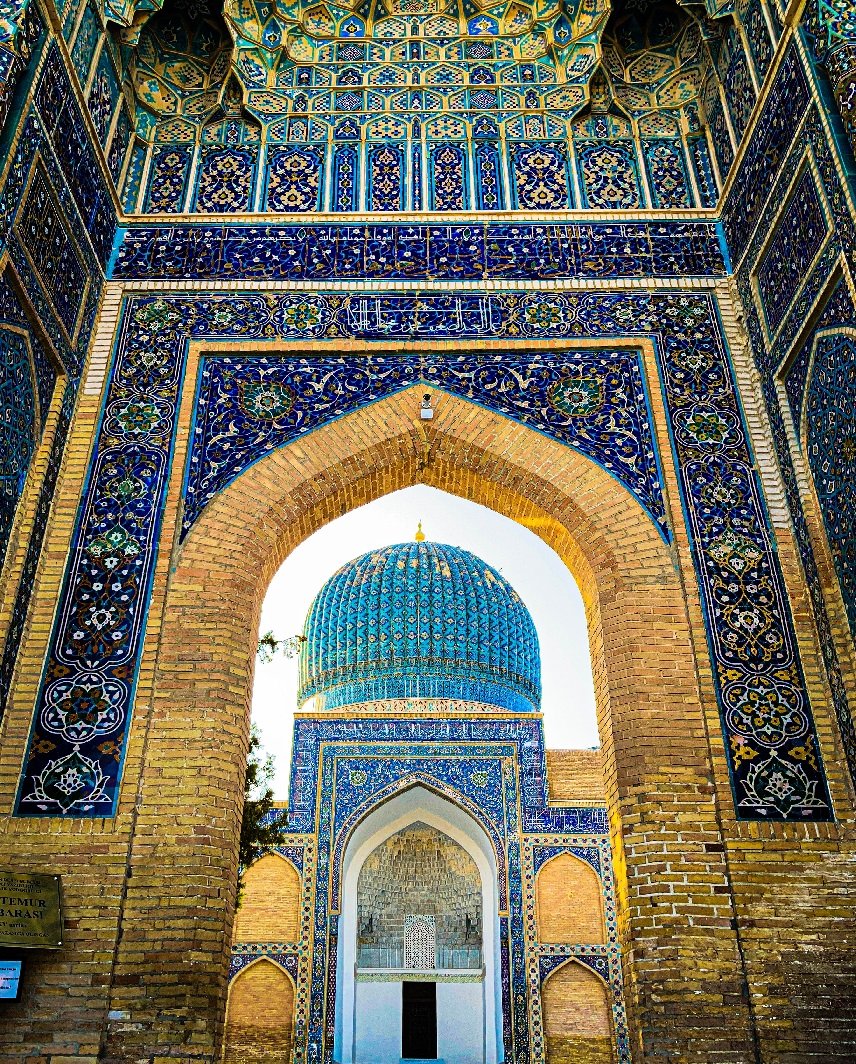
Introduction: Uzbek cuisine is an integral part of the rich cultural heritage of Uzbekistan. From hearty meat dishes to flavorful pilafs and diverse bread varieties, the cuisine showcases the region's vibrant culinary traditions. As we delve into the ontology of Uzbek cuisine, we will explore the key ingredients, cooking techniques, and cultural influences that contribute to its unique flavors. 1. Key Ingredients in Uzbek Cuisine: Uzbek cuisine relies heavily on staple ingredients that are often found abundantly in the region. Some of the essential ingredients include lamb, beef, rice, and various vegetables like onions, carrots, and bell peppers. Fresh herbs such as dill, coriander, and parsley also play a significant role in enhancing the flavors of Uzbek dishes. 2. Cooking Techniques: Uzbek cuisine showcases a variety of cooking techniques, each adding a distinct taste and texture to the dishes. One such technique is Tandoor baking, where a clay oven known as a Tandoor is used to cook succulent kebabs, bread, and even some desserts. Another popular cooking method is slow-cooking, which is commonly used for preparing hearty stews like "plov." 3. Cultural Influences: Uzbek cuisine is a reflection of the rich cultural history of the region, shaped by the Silk Road trade and the influence of neighboring countries like Russia, Iran, and China. This blend of cultural influences can be seen in the variety of flavors and spices used in Uzbek dishes. For example, hearty meat dishes like "shashlik" (kebabs) showcase the nomadic traditions of the region, while dishes like "manti" (steamed dumplings) demonstrate the influence of neighboring countries. 4. Regional Specialties: Uzbekistan is home to various regional specialties that highlight the diverse culinary traditions within the country. For example, in the Fergana Valley, you will find "osh," a pilaf dish known for its abundance of flavors. The Bukhara region is famous for its juicy "lyulya kebabs," tender skewered meat marinated in aromatic spices. And in Samarkand, you can experience the aromatic "samsa," a triangular pastry filled with meat, onions, and traditional spices. 5. Traditional Uzbek Bread: No exploration of Uzbek cuisine is complete without mentioning the importance of bread. Bread, known as "non" in Uzbek, holds a significant cultural significance and is present at every meal. The most famous bread variety is "lepyoshka," a round and flat bread baked in tandoors and often served with every dish on the table. Conclusion: The ontology of Uzbek cuisine showcases a remarkable diversity of flavors, techniques, and cultural influences. From succulent kebabs to aromatic pilafs, Uzbek cuisine offers a unique gastronomic experience, steeped in history and tradition. Exploring the key ingredients, cooking techniques, and regional specialties will undoubtedly spark a newfound appreciation for the culinary heritage of Uzbekistan. So next time you have the chance, don't miss the opportunity to savor the delightful flavors of Uzbek cuisine! Don't miss more information at http://www.coreontology.com
Leave a Comment:
SEARCH
Recent News
- Uzbekistan is renowned for its rich cultural heritage and traditional handicrafts, including the exquisite wool stoles that have gained popularity worldwide. These wool stoles are not just accessories but pieces of art that showcase the craftsmanship and creativity of Uzbek artisans.
- Winter in Uzbekistan is a magical time, with snow-capped mountains, cozy tea houses, and stunning winter stoles that add a touch of warmth and style to any outfit. These winter stoles are a popular accessory in Uzbekistan, known for their beautiful embroidery, vibrant colors, and luxurious fabrics.
- Uzbekistan is a country rich in biodiversity, with a wide variety of wildlife species inhabiting its diverse landscapes, ranging from deserts to mountains to grasslands. However, like many other countries around the world, Uzbekistan is also facing challenges when it comes to wildlife conservation.
- Uzbekistan is a country with a growing startup ecosystem, and many innovative companies are emerging in various industries. Vancouver, on the other hand, is known for being a hub of technology and entrepreneurship. In this blog post, we will explore some of the top startups in Vancouver and their potential connections or collaborations with startups in Uzbekistan.
- Uzbekistan and Vancouver may seem like two completely different worlds, but when it comes to export and import, they share a common ground. These two regions engage in international trade, exchanging goods and services to foster economic growth and development. Let's take a closer look at the export and import dynamics between Uzbekistan and Vancouver.
- Uzbekistan has a rich culture and history that is reflected in its cuisine, arts, and traditions. This Central Asian country is known for its vibrant markets, stunning architecture, and warm hospitality. One interesting aspect of Uzbekistan is its business ties with Vancouver, a bustling city in Canada.
- Uzbekistan is a country rich in culture, history, and natural beauty. Located in Central Asia, it is known for its stunning architecture, vibrant markets, and warm hospitality. However, in recent years, Uzbekistan has also been making a name for itself in the business world. With a growing economy and a business-friendly environment, Uzbekistan is becoming an attractive destination for companies looking to expand their operations.
- ### Exploring UK Government Business Support Programs for Doing Business in Uzbekistan
READ MORE
10 months ago Category :

Uzbekistan is renowned for its rich cultural heritage and traditional handicrafts, including the exquisite wool stoles that have gained popularity worldwide. These wool stoles are not just accessories but pieces of art that showcase the craftsmanship and creativity of Uzbek artisans.
Read More →10 months ago Category :

Winter in Uzbekistan is a magical time, with snow-capped mountains, cozy tea houses, and stunning winter stoles that add a touch of warmth and style to any outfit. These winter stoles are a popular accessory in Uzbekistan, known for their beautiful embroidery, vibrant colors, and luxurious fabrics.
Read More →10 months ago Category :

Uzbekistan is a country rich in biodiversity, with a wide variety of wildlife species inhabiting its diverse landscapes, ranging from deserts to mountains to grasslands. However, like many other countries around the world, Uzbekistan is also facing challenges when it comes to wildlife conservation.
Read More →10 months ago Category :
