Unveiling the Ontology of the Uzbek Language: A Linguistic Journey
Category : | Sub Category : Posted on 2023-10-30 21:24:53
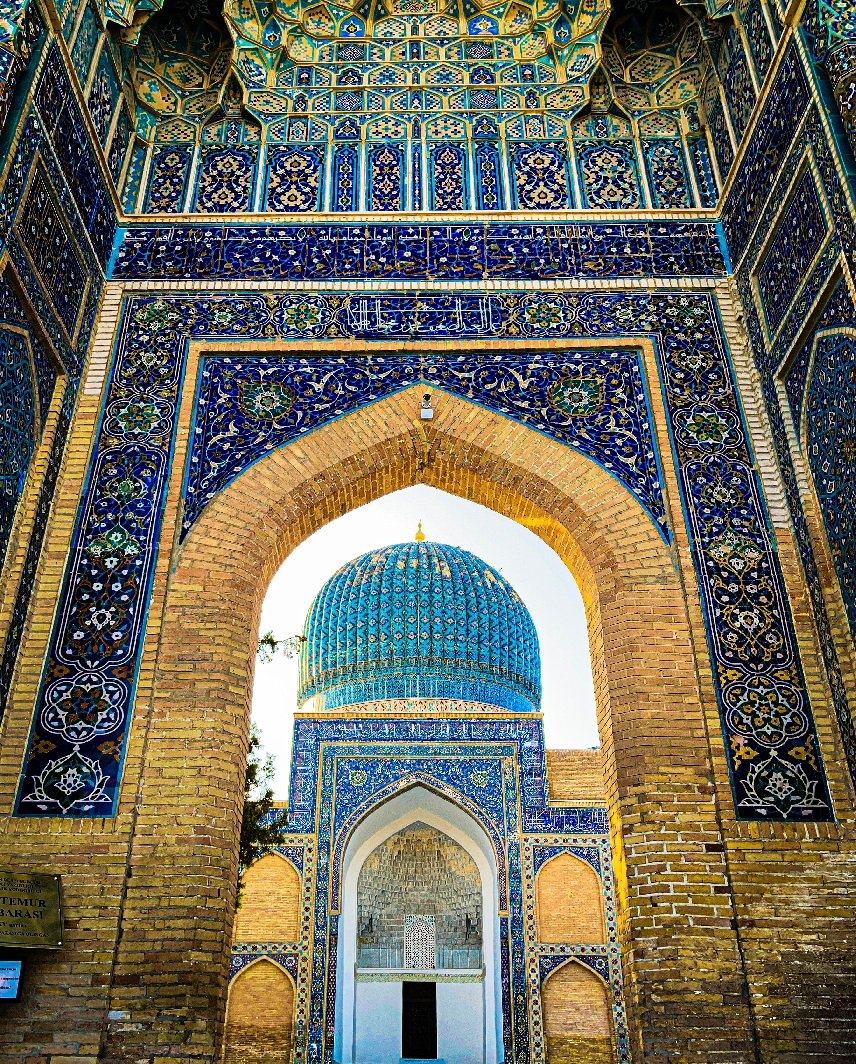
Introduction: Languages, like Uzbek, carry centuries of history, culture, and identity within their words and grammar. The study of language ontology delves deep into understanding the essence and nature of a language. In this blog post, we embark on a linguistic journey to explore the ontology of the Uzbek language, uncovering the intricate web of its structure, unique features, and historical significance. Exploring the Uzbek Language: 1. Historical Background: The Uzbek language belongs to the Turkic language family, with its origins rooted in Turkic dialects spoken in Central Asia. Over the centuries, Uzbek has evolved through various stages influenced by Persian, Arabic, and Russian languages, ultimately shaping its modern form. 2. Phonetics and Phonology: Uzbek phonetics encompasses a collection of sounds that form the basis of its phonological structure. Exploring the consonants, vowels, and their respective phonetic patterns offers insights into the phonological distinctions and pronunciation intricacies. 3. Grammar and Morphology: The Uzbek language exhibits a rich morphology, where words can undergo various affixation processes to indicate tense, aspect, mood, and voice. Additionally, understanding the grammatical features, such as case markers, word order, and verbal agreement, helps grasp the language's syntactic structure. 4. Lexicon and Semantics: The Uzbek lexicon, or vocabulary, reflects the country's diverse cultural heritage, comprising words from Turkic, Persian, Arabic, Russian, and more recently, global loanwords. This amalgamation of lexemes contributes to the linguistic tapestry and semantic depth of the Uzbek language. 5. Sociolinguistic Significance: Exploring the sociolinguistic aspects of the Uzbek language reveals its role as a symbol of national identity, political expression, and cultural preservation. Understanding how Uzbek is used in different contexts, such as formal and informal speech, written literature, and social media, demonstrates its vital importance in society. 6. Challenges and Future Outlook: Like any living language, Uzbek faces challenges in terms of standardization, language policy, and revitalization efforts. Examining these challenges sheds light on the ways in which the language can evolve and adapt to meet the needs of its speakers in the future. Conclusion: The ontology of the Uzbek language provides a captivating glimpse into the linguistic and cultural landscape of Uzbekistan and its neighboring Central Asian countries. By understanding its historical roots, phonetics, grammar, lexicon, and sociolinguistic significance, we gain a comprehensive perspective on the Uzbek language's essence and significance. As we continue to explore and appreciate diverse languages, including Uzbek, we foster cultural understanding and enrich our collective linguistic heritage. To get a better understanding, go through http://www.coreontology.com
Leave a Comment:
SEARCH
Recent News
- Uzbekistan is renowned for its rich cultural heritage and traditional handicrafts, including the exquisite wool stoles that have gained popularity worldwide. These wool stoles are not just accessories but pieces of art that showcase the craftsmanship and creativity of Uzbek artisans.
- Winter in Uzbekistan is a magical time, with snow-capped mountains, cozy tea houses, and stunning winter stoles that add a touch of warmth and style to any outfit. These winter stoles are a popular accessory in Uzbekistan, known for their beautiful embroidery, vibrant colors, and luxurious fabrics.
- Uzbekistan is a country rich in biodiversity, with a wide variety of wildlife species inhabiting its diverse landscapes, ranging from deserts to mountains to grasslands. However, like many other countries around the world, Uzbekistan is also facing challenges when it comes to wildlife conservation.
- Uzbekistan is a country with a growing startup ecosystem, and many innovative companies are emerging in various industries. Vancouver, on the other hand, is known for being a hub of technology and entrepreneurship. In this blog post, we will explore some of the top startups in Vancouver and their potential connections or collaborations with startups in Uzbekistan.
- Uzbekistan and Vancouver may seem like two completely different worlds, but when it comes to export and import, they share a common ground. These two regions engage in international trade, exchanging goods and services to foster economic growth and development. Let's take a closer look at the export and import dynamics between Uzbekistan and Vancouver.
- Uzbekistan has a rich culture and history that is reflected in its cuisine, arts, and traditions. This Central Asian country is known for its vibrant markets, stunning architecture, and warm hospitality. One interesting aspect of Uzbekistan is its business ties with Vancouver, a bustling city in Canada.
- Uzbekistan is a country rich in culture, history, and natural beauty. Located in Central Asia, it is known for its stunning architecture, vibrant markets, and warm hospitality. However, in recent years, Uzbekistan has also been making a name for itself in the business world. With a growing economy and a business-friendly environment, Uzbekistan is becoming an attractive destination for companies looking to expand their operations.
- ### Exploring UK Government Business Support Programs for Doing Business in Uzbekistan
READ MORE
10 months ago Category :

Uzbekistan is renowned for its rich cultural heritage and traditional handicrafts, including the exquisite wool stoles that have gained popularity worldwide. These wool stoles are not just accessories but pieces of art that showcase the craftsmanship and creativity of Uzbek artisans.
Read More →10 months ago Category :

Winter in Uzbekistan is a magical time, with snow-capped mountains, cozy tea houses, and stunning winter stoles that add a touch of warmth and style to any outfit. These winter stoles are a popular accessory in Uzbekistan, known for their beautiful embroidery, vibrant colors, and luxurious fabrics.
Read More →10 months ago Category :

Uzbekistan is a country rich in biodiversity, with a wide variety of wildlife species inhabiting its diverse landscapes, ranging from deserts to mountains to grasslands. However, like many other countries around the world, Uzbekistan is also facing challenges when it comes to wildlife conservation.
Read More →10 months ago Category :
