Understanding the Ontology of Uzbek Music: A Melodic Journey
Category : | Sub Category : Posted on 2023-10-30 21:24:53
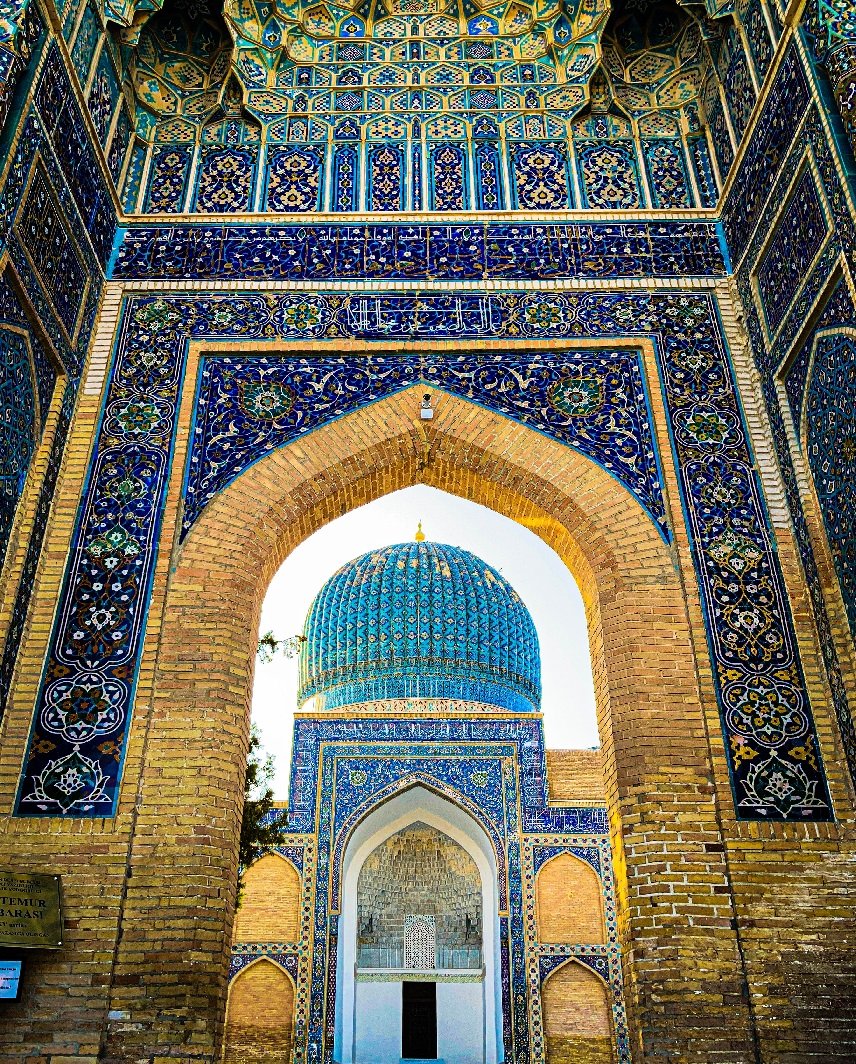
Music plays a significant role in shaping a country's cultural identity, and Uzbekistan is no exception. With a rich and diverse musical heritage, the music of Uzbekistan has captivated audiences worldwide. To truly appreciate and delve into the beauty of this ancient tradition, it is essential to understand its ontology - the essence and nature of Uzbek music. Uzbek music draws inspiration from a profound connection to nature, spirituality, and the everyday life experiences of the local people. This cultural expression has been shaped by centuries of influences from the Silk Road, Persian and Arab traditions, and the nomadic heritage of the Uzbek people. One of the distinct characteristics of Uzbek music is its modal system, known as maqom. Maqom refers to a complex framework of melodic scales called shashmaqom, which consists of six principal modes. Each mode evokes a specific emotional expression, ranging from joy and celebration to melancholy and introspection. This modal framework provides a foundation for improvisation and creativity, allowing musicians to convey their emotions and connect with their audiences in a profound way. The traditional instrumentation of Uzbek music is another important aspect to consider. The stringed lute-like instrument called the dutar is at the heart of Uzbek music, along with the tanbur, sato, and nay. Each instrument brings its unique timbre and sound, adding depth and richness to the music. The rhythmic complexities are brought to life by the doira, a frame drum, and the daf, a large tambourine-like instrument. These traditional instruments provide the perfect backdrop for the melodic journey that Uzbek music takes its listeners on. The lyrics of Uzbek music often revolve around themes of love, nature, and spirituality. Whether through traditional folk songs or Sufi-inspired compositions, the words reflect the deep connection between the Uzbek people and their surroundings. Poetry has always played a vital role in Uzbek culture, and music serves as a medium to bring these words to life, enhancing their meaning and emotional impact. Uzbek music is more than just a collection of melodies; it is a form of cultural expression that embodies the heritage, spirituality, and emotions of the Uzbek people. It serves as a means of storytelling, preserving tradition, and connecting individuals on a universal level. Uzbek music reflects the symbiotic relationship between the people and their surroundings, allowing listeners to experience the soul of the country through its enchanting melodies. As Uzbek music continues to evolve and adapt to the modern world, it is crucial to preserve its rich ontology. Scholars, musicians, and enthusiasts alike must continue to study and appreciate the intricate modal system, master the traditional instruments, and understand the poetry and lyrics that give this music its soul. By doing so, we can ensure that the beauty and essence of Uzbek music are carried forward for generations to come. So next time you hear the enchanting melodies of Uzbek music, take a moment to appreciate its ontology - the profound connection to nature, tradition, and the human experience. Let the music transport you to the historical lands of Uzbekistan and embrace the cultural richness that lies at its core. For the latest insights, read: http://www.borntoresist.com Dropy by for a visit at http://www.svop.org Have a visit at http://www.coreontology.com For a broader perspective, don't miss http://www.qqhbo.com For more information check: http://www.albumd.com To see the full details, click on: http://www.mimidate.com Seeking in-depth analysis? The following is a must-read. http://www.keralachessyoutubers.com If you are enthusiast, check the following link http://www.cotidiano.org
Leave a Comment:
SEARCH
Recent News
- Uzbekistan is renowned for its rich cultural heritage and traditional handicrafts, including the exquisite wool stoles that have gained popularity worldwide. These wool stoles are not just accessories but pieces of art that showcase the craftsmanship and creativity of Uzbek artisans.
- Winter in Uzbekistan is a magical time, with snow-capped mountains, cozy tea houses, and stunning winter stoles that add a touch of warmth and style to any outfit. These winter stoles are a popular accessory in Uzbekistan, known for their beautiful embroidery, vibrant colors, and luxurious fabrics.
- Uzbekistan is a country rich in biodiversity, with a wide variety of wildlife species inhabiting its diverse landscapes, ranging from deserts to mountains to grasslands. However, like many other countries around the world, Uzbekistan is also facing challenges when it comes to wildlife conservation.
- Uzbekistan is a country with a growing startup ecosystem, and many innovative companies are emerging in various industries. Vancouver, on the other hand, is known for being a hub of technology and entrepreneurship. In this blog post, we will explore some of the top startups in Vancouver and their potential connections or collaborations with startups in Uzbekistan.
- Uzbekistan and Vancouver may seem like two completely different worlds, but when it comes to export and import, they share a common ground. These two regions engage in international trade, exchanging goods and services to foster economic growth and development. Let's take a closer look at the export and import dynamics between Uzbekistan and Vancouver.
- Uzbekistan has a rich culture and history that is reflected in its cuisine, arts, and traditions. This Central Asian country is known for its vibrant markets, stunning architecture, and warm hospitality. One interesting aspect of Uzbekistan is its business ties with Vancouver, a bustling city in Canada.
- Uzbekistan is a country rich in culture, history, and natural beauty. Located in Central Asia, it is known for its stunning architecture, vibrant markets, and warm hospitality. However, in recent years, Uzbekistan has also been making a name for itself in the business world. With a growing economy and a business-friendly environment, Uzbekistan is becoming an attractive destination for companies looking to expand their operations.
- ### Exploring UK Government Business Support Programs for Doing Business in Uzbekistan
READ MORE
10 months ago Category :

Uzbekistan is renowned for its rich cultural heritage and traditional handicrafts, including the exquisite wool stoles that have gained popularity worldwide. These wool stoles are not just accessories but pieces of art that showcase the craftsmanship and creativity of Uzbek artisans.
Read More →10 months ago Category :

Winter in Uzbekistan is a magical time, with snow-capped mountains, cozy tea houses, and stunning winter stoles that add a touch of warmth and style to any outfit. These winter stoles are a popular accessory in Uzbekistan, known for their beautiful embroidery, vibrant colors, and luxurious fabrics.
Read More →10 months ago Category :

Uzbekistan is a country rich in biodiversity, with a wide variety of wildlife species inhabiting its diverse landscapes, ranging from deserts to mountains to grasslands. However, like many other countries around the world, Uzbekistan is also facing challenges when it comes to wildlife conservation.
Read More →10 months ago Category :
