Unraveling the Political History of Bukhara: A Tale of Power, Intrigue, and Influence
Category : | Sub Category : Posted on 2023-10-30 21:24:53
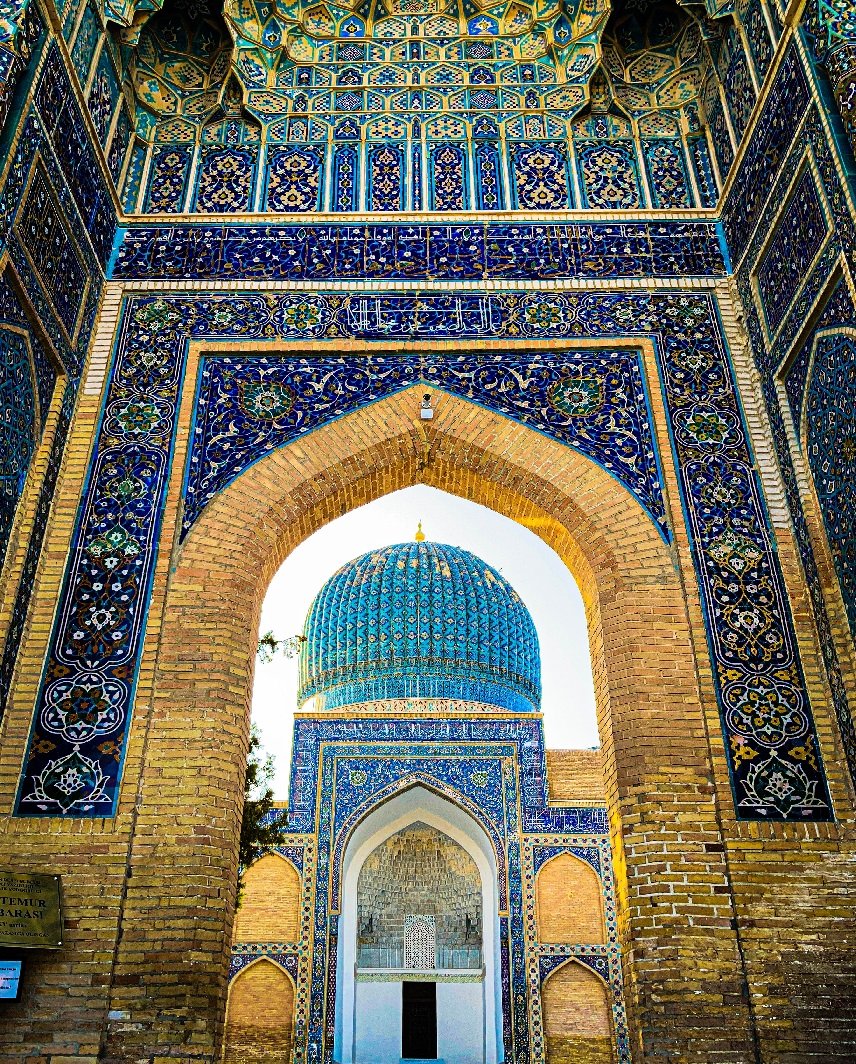
Introduction: Bukhara, a city in present-day Uzbekistan, holds a rich history that extends beyond its vibrant cultural heritage. Throughout the centuries, Bukhara has been a melting pot of political power struggles, dynasties, and the rise and fall of empires. In this blog post, we will delve into the fascinating political history of Bukhara, exploring the diverse range of political dynamics that have shaped the region and left a lasting impact even today. 1. The Golden Age of Bukhara: During the Islamic Golden Age, from the 9th to 13th centuries, Bukhara was renowned as a center of intellectual, cultural, and political eminence. It served as the capital of the Samanid Empire, the first Persian dynasty to emerge after the Arab conquest of Central Asia. Under the Samanids, Bukhara flourished as a hub of trade, knowledge, and Islamic scholarship, attracting scholars, theologians, and philosophers from across the Muslim world. 2. The Khanates and Influence of the Silk Road: As the Silk Road trade network traversed Central Asia, Bukhara found itself at the crossroads of various powerful empires and regional Khanates. Successive dynasties, including the Khwarazmian Empire and the Mongols, held sway over Bukhara, shaping its political landscape. The Khanates, such as the Shaybanids and Manghits, exerted their influence and vied for control, while Bukhara remained an essential trading hub connecting East and West. 3. The Emirate of Bukhara: In the 16th century, the Shaibanid dynasty established the Emirate of Bukhara, marking the consolidation of power and the cementing of Bukhara's position as a central political entity. The emirs ruled over the region, facing various internal and external challenges throughout their reign. The Emirate reached its zenith under emir Nasrullah Khan, who modernized the state, embraced reforms, and sought alliances with the European powers. 4. Russian Rule and the Bolshevik Revolution: The late 19th century witnessed the spread of Russian influence across Central Asia. Bukhara, too, succumbed to Russian imperialism when it was annexed by the Russian Empire in 1868. The Bolshevik Revolution of 1917, however, brought further political upheaval and resistance to Russian rule. Bolshevik forces ultimately overthrew the Emirate of Bukhara, proclaiming the Bukharan People's Soviet Republic and solidifying Soviet control. 5. Post-Soviet Era and the Modern Political Landscape: With the dissolution of the Soviet Union in 1991, Bukhara became part of the newly independent state of Uzbekistan. The region has undergone political changes, embracing a democratic system while preserving its cultural heritage. Today, Bukhara is a UNESCO World Heritage Site, attracting tourists from around the world who come to marvel at its historic sites, bazaars, and traditional architecture. Conclusion: The political history of Bukhara tells a tale of shifting power dynamics, from its prominence during the Islamic Golden Age to its struggles under Russian and Soviet rule. This city's journey through different dynasties, empires, and revolutions showcases the resilience of its people and the enduring legacy of its political heritage. As we explore the streets and historical sites of Bukhara, we are reminded of the influential role this city has played in shaping the political landscape of Central Asia. For the latest research, visit http://www.culturepolitics.com You can find more about this subject in http://www.mimidate.com If you are enthusiast, check the following link http://www.cotidiano.org
Leave a Comment:
SEARCH
Recent News
- Uzbekistan is renowned for its rich cultural heritage and traditional handicrafts, including the exquisite wool stoles that have gained popularity worldwide. These wool stoles are not just accessories but pieces of art that showcase the craftsmanship and creativity of Uzbek artisans.
- Winter in Uzbekistan is a magical time, with snow-capped mountains, cozy tea houses, and stunning winter stoles that add a touch of warmth and style to any outfit. These winter stoles are a popular accessory in Uzbekistan, known for their beautiful embroidery, vibrant colors, and luxurious fabrics.
- Uzbekistan is a country rich in biodiversity, with a wide variety of wildlife species inhabiting its diverse landscapes, ranging from deserts to mountains to grasslands. However, like many other countries around the world, Uzbekistan is also facing challenges when it comes to wildlife conservation.
- Uzbekistan is a country with a growing startup ecosystem, and many innovative companies are emerging in various industries. Vancouver, on the other hand, is known for being a hub of technology and entrepreneurship. In this blog post, we will explore some of the top startups in Vancouver and their potential connections or collaborations with startups in Uzbekistan.
- Uzbekistan and Vancouver may seem like two completely different worlds, but when it comes to export and import, they share a common ground. These two regions engage in international trade, exchanging goods and services to foster economic growth and development. Let's take a closer look at the export and import dynamics between Uzbekistan and Vancouver.
- Uzbekistan has a rich culture and history that is reflected in its cuisine, arts, and traditions. This Central Asian country is known for its vibrant markets, stunning architecture, and warm hospitality. One interesting aspect of Uzbekistan is its business ties with Vancouver, a bustling city in Canada.
- Uzbekistan is a country rich in culture, history, and natural beauty. Located in Central Asia, it is known for its stunning architecture, vibrant markets, and warm hospitality. However, in recent years, Uzbekistan has also been making a name for itself in the business world. With a growing economy and a business-friendly environment, Uzbekistan is becoming an attractive destination for companies looking to expand their operations.
- ### Exploring UK Government Business Support Programs for Doing Business in Uzbekistan
READ MORE
10 months ago Category :

Uzbekistan is renowned for its rich cultural heritage and traditional handicrafts, including the exquisite wool stoles that have gained popularity worldwide. These wool stoles are not just accessories but pieces of art that showcase the craftsmanship and creativity of Uzbek artisans.
Read More →10 months ago Category :

Winter in Uzbekistan is a magical time, with snow-capped mountains, cozy tea houses, and stunning winter stoles that add a touch of warmth and style to any outfit. These winter stoles are a popular accessory in Uzbekistan, known for their beautiful embroidery, vibrant colors, and luxurious fabrics.
Read More →10 months ago Category :

Uzbekistan is a country rich in biodiversity, with a wide variety of wildlife species inhabiting its diverse landscapes, ranging from deserts to mountains to grasslands. However, like many other countries around the world, Uzbekistan is also facing challenges when it comes to wildlife conservation.
Read More →10 months ago Category :
