Exploring the Rich Melodies of Uzbek Music: A Survey Contribution
Category : | Sub Category : Posted on 2023-10-30 21:24:53
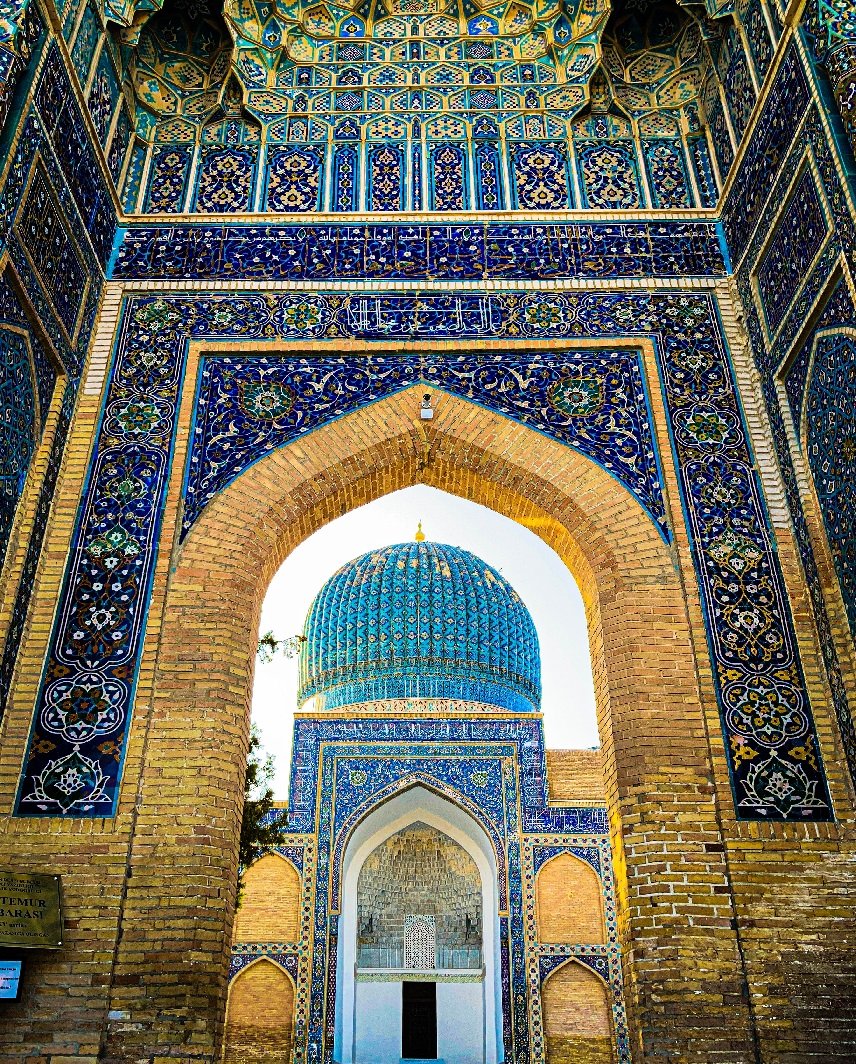
Introduction: Uzbekistan, known for its vibrant culture and rich heritage, boasts a musical tradition that dates back centuries. The melodies, rhythms, and instruments of Uzbek music have captivated audiences worldwide. In this survey contribution, we will delve into the world of Uzbek music, its significance, and its impact on the global music scene. The Roots of Uzbek Music: Uzbek music draws its roots from a blend of Turkic, Persian, Arab, and local Central Asian traditions. Over the years, it has evolved and incorporated influences from neighboring regions, creating a unique and distinct genre. The traditional instruments used in Uzbek music include the tanbur, doira, dutar, and gijjak, each adding its own texture and flavor to the compositions. Popularity and Global Reach: Uzbek music has gained popularity not only within Uzbekistan but also among music enthusiasts worldwide. The melodic tunes, mesmerizing vocals, and intricate rhythmic patterns have made it a favorite among folk music aficionados. The rise of social media platforms and digital streaming services has further contributed to its global reach, allowing people from different cultures to discover and appreciate its beauty. Exploring Different Genres: Uzbek music is incredibly diverse, with various genres catering to different moods and occasions. Shashmaqam, considered one of the most traditional genres, consists of complex melodic structures and poetic lyrics. Maqom, another prominent genre, combines both music and storytelling. Meanwhile, contemporary Uzbek music blends modern sounds with traditional elements, appealing to younger audiences. The Cultural Significance: Music plays a vital role in Uzbek culture, acting as a vehicle for transmitting stories, emotions, and values across generations. Traditional Uzbek music often revolves around themes of love, nature, and spirituality, serving as a powerful expression of the country's cultural identity. These melodies are frequently performed during cultural celebrations, weddings, and other social gatherings, creating a sense of unity and pride among Uzbek communities. Influence on Other Musicians: The unique sounds of Uzbek music have not gone unnoticed by musicians from different parts of the world. Some artists have been inspired by the intricate melodies and rhythmic structures, incorporating elements of Uzbek music into their own compositions. This cross-pollination of musical traditions furthers cultural exchange and fosters a greater appreciation for diverse musical styles. Preserving the Heritage: While Uzbek music continues to evolve, preserving its traditional roots remains a significant concern. Efforts are being made by musicians, cultural institutions, and the government to promote and protect Uzbek music through festivals, music schools, and recording projects. These initiatives aim to ensure that future generations can experience and appreciate the beauty of this unique musical heritage. Conclusion: Uzbek music has a rich history and profound significance, capturing the essence of Uzbek culture and identity. The melodies, instruments, and genres that make up this musical tradition continue to enchant listeners worldwide. By understanding and embracing the contributions of Uzbek music, we can foster a deeper appreciation for cultural diversity and the power of music to connect people across borders. To delve deeper into this subject, consider these articles: http://www.borntoresist.com Seeking answers? You might find them in http://www.surveyoption.com For a fresh perspective, give the following a read http://www.surveyoutput.com For a different angle, consider what the following has to say. http://www.svop.org Here is the following website to check: http://www.qqhbo.com If you are interested you can check http://www.albumd.com For a different angle, consider what the following has to say. http://www.mimidate.com You can find more about this subject in http://www.keralachessyoutubers.com For the latest insights, read: http://www.cotidiano.org
Leave a Comment:
SEARCH
Recent News
- Uzbekistan is renowned for its rich cultural heritage and traditional handicrafts, including the exquisite wool stoles that have gained popularity worldwide. These wool stoles are not just accessories but pieces of art that showcase the craftsmanship and creativity of Uzbek artisans.
- Winter in Uzbekistan is a magical time, with snow-capped mountains, cozy tea houses, and stunning winter stoles that add a touch of warmth and style to any outfit. These winter stoles are a popular accessory in Uzbekistan, known for their beautiful embroidery, vibrant colors, and luxurious fabrics.
- Uzbekistan is a country rich in biodiversity, with a wide variety of wildlife species inhabiting its diverse landscapes, ranging from deserts to mountains to grasslands. However, like many other countries around the world, Uzbekistan is also facing challenges when it comes to wildlife conservation.
- Uzbekistan is a country with a growing startup ecosystem, and many innovative companies are emerging in various industries. Vancouver, on the other hand, is known for being a hub of technology and entrepreneurship. In this blog post, we will explore some of the top startups in Vancouver and their potential connections or collaborations with startups in Uzbekistan.
- Uzbekistan and Vancouver may seem like two completely different worlds, but when it comes to export and import, they share a common ground. These two regions engage in international trade, exchanging goods and services to foster economic growth and development. Let's take a closer look at the export and import dynamics between Uzbekistan and Vancouver.
- Uzbekistan has a rich culture and history that is reflected in its cuisine, arts, and traditions. This Central Asian country is known for its vibrant markets, stunning architecture, and warm hospitality. One interesting aspect of Uzbekistan is its business ties with Vancouver, a bustling city in Canada.
- Uzbekistan is a country rich in culture, history, and natural beauty. Located in Central Asia, it is known for its stunning architecture, vibrant markets, and warm hospitality. However, in recent years, Uzbekistan has also been making a name for itself in the business world. With a growing economy and a business-friendly environment, Uzbekistan is becoming an attractive destination for companies looking to expand their operations.
- ### Exploring UK Government Business Support Programs for Doing Business in Uzbekistan
READ MORE
10 months ago Category :

Uzbekistan is renowned for its rich cultural heritage and traditional handicrafts, including the exquisite wool stoles that have gained popularity worldwide. These wool stoles are not just accessories but pieces of art that showcase the craftsmanship and creativity of Uzbek artisans.
Read More →10 months ago Category :

Winter in Uzbekistan is a magical time, with snow-capped mountains, cozy tea houses, and stunning winter stoles that add a touch of warmth and style to any outfit. These winter stoles are a popular accessory in Uzbekistan, known for their beautiful embroidery, vibrant colors, and luxurious fabrics.
Read More →10 months ago Category :

Uzbekistan is a country rich in biodiversity, with a wide variety of wildlife species inhabiting its diverse landscapes, ranging from deserts to mountains to grasslands. However, like many other countries around the world, Uzbekistan is also facing challenges when it comes to wildlife conservation.
Read More →10 months ago Category :
