A Guide to Currency in Switzerland and Uzbekistan
Category : | Sub Category : Posted on 2023-10-30 21:24:53
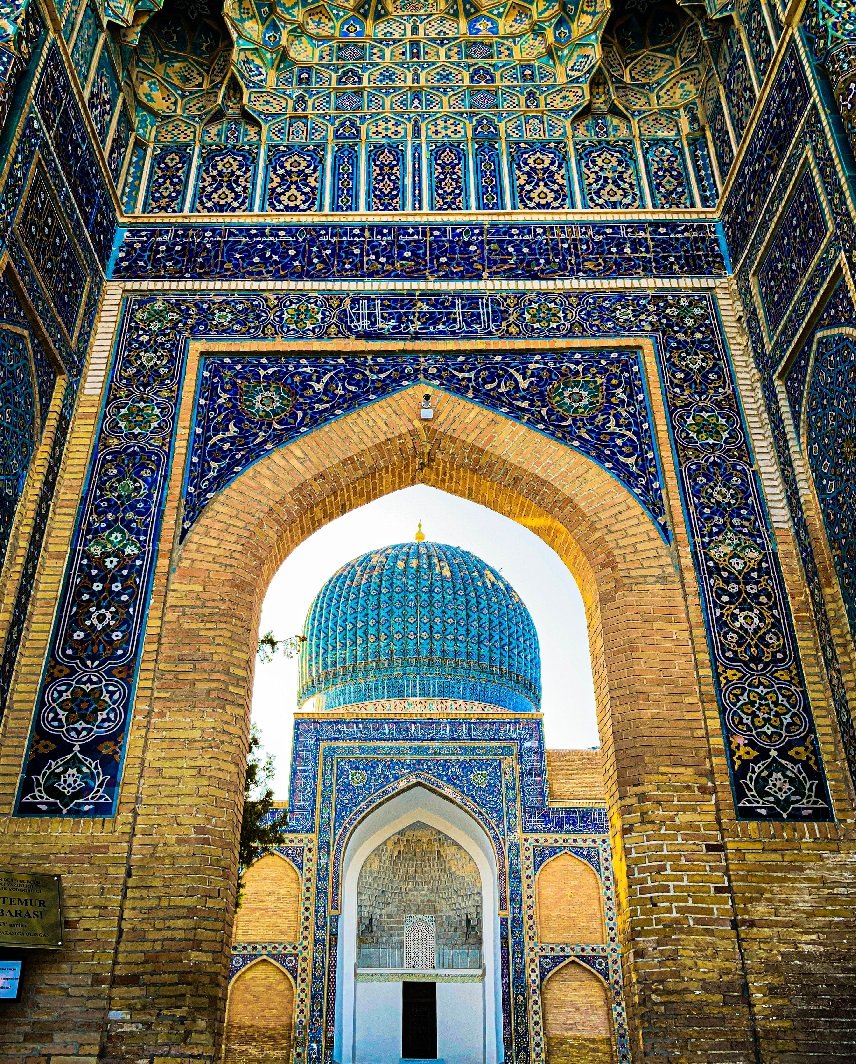
Introduction: Traveling is an exciting adventure, where experiencing new cultures and exploring different countries are the highlights. However, one thing that travelers need to be prepared for is dealing with currency exchange. This article aims to provide a comprehensive guide to the currencies of Switzerland and Uzbekistan, two captivating and diverse countries. Whether you're planning a trip to the stunning Swiss Alps or to the ancient Silk Road in Uzbekistan, understanding the local currencies will make your journey smoother. Currency in Switzerland: Switzerland, famous for its breathtaking landscapes, efficient public transportation, and world-class chocolate, uses the Swiss Franc (CHF) as its official currency. The Franc is abbreviated as CHF, which stands for Confoederatio Helvetica Franc (in Latin) or Swiss Franc in English. It is denoted by the symbol "Fr." or "CHF." The currency is available in banknotes of various denominations, including 10, 20, 50, 100, 200, and 1,000 francs, while coins come in denominations of 5, 10, 20, and 50 centimes, as well as 1, 2, and 5 francs. Switzerland is known for its high standard of living, and generally, credit and debit cards are widely accepted for payments. ATMs can be found all over the country, and most businesses accept Visa and Mastercard, although it's best to carry some cash for smaller vendors or in remote areas. Currency in Uzbekistan: Uzbekistan, a country rich in history and cultural heritage, uses the Uzbekistani Som (UZS) as its official currency. The Som is abbreviated as UZS and is divided into units called tiyin. However, due to its low value, tiyin coins are no longer circulated. The banknotes in Uzbekistan are available in denominations of 1,000, 5,000, 10,000, 50,000, and 100,000 som. Similarly to Switzerland, credit and debit cards are becoming more widely accepted, particularly in major cities and tourist areas. However, it is advisable to have some cash on hand, especially for smaller establishments or when visiting rural areas. Currency Exchange Tips: 1. Research the exchange rates: Before traveling, it's a good idea to check the exchange rates and get a rough estimate of how much you will need to exchange. Remember that rates can fluctuate, so it's always best to have some flexibility in your budget. 2. Exchange currency at reputable sources: To avoid scams or unfavorable rates, it's advisable to exchange your currency at banks or authorized exchange offices. These places usually offer competitive rates and are trustworthy. 3. Carry a mix of cash and cards: While credit and debit cards are widely accepted, it's essential to have some local currency on hand for emergencies, smaller establishments, or areas where card acceptance might be limited. 4. Watch out for hidden fees: When using cards abroad, be mindful of any foreign transaction fees or ATM withdrawal fees that your bank may charge. Notify your bank in advance about your travel plans to ensure seamless usage of your cards. Conclusion: Understanding the currency of the countries you visit is essential for any traveler. In Switzerland, the Swiss Franc is the official currency, while in Uzbekistan, the Uzbekistani Som is used. It's always a good idea to have a mix of cash and cards, keeping in mind the acceptance and availability of each currency in different locations. By following these tips, you can navigate currency exchange with ease, ensuring a hassle-free experience during your time exploring Switzerland and Uzbekistan. Happy travels! If you are interested you can check http://www.switzerlandadvisors.com
Leave a Comment:
SEARCH
Recent News
- Uzbekistan is renowned for its rich cultural heritage and traditional handicrafts, including the exquisite wool stoles that have gained popularity worldwide. These wool stoles are not just accessories but pieces of art that showcase the craftsmanship and creativity of Uzbek artisans.
- Winter in Uzbekistan is a magical time, with snow-capped mountains, cozy tea houses, and stunning winter stoles that add a touch of warmth and style to any outfit. These winter stoles are a popular accessory in Uzbekistan, known for their beautiful embroidery, vibrant colors, and luxurious fabrics.
- Uzbekistan is a country rich in biodiversity, with a wide variety of wildlife species inhabiting its diverse landscapes, ranging from deserts to mountains to grasslands. However, like many other countries around the world, Uzbekistan is also facing challenges when it comes to wildlife conservation.
- Uzbekistan is a country with a growing startup ecosystem, and many innovative companies are emerging in various industries. Vancouver, on the other hand, is known for being a hub of technology and entrepreneurship. In this blog post, we will explore some of the top startups in Vancouver and their potential connections or collaborations with startups in Uzbekistan.
- Uzbekistan and Vancouver may seem like two completely different worlds, but when it comes to export and import, they share a common ground. These two regions engage in international trade, exchanging goods and services to foster economic growth and development. Let's take a closer look at the export and import dynamics between Uzbekistan and Vancouver.
- Uzbekistan has a rich culture and history that is reflected in its cuisine, arts, and traditions. This Central Asian country is known for its vibrant markets, stunning architecture, and warm hospitality. One interesting aspect of Uzbekistan is its business ties with Vancouver, a bustling city in Canada.
- Uzbekistan is a country rich in culture, history, and natural beauty. Located in Central Asia, it is known for its stunning architecture, vibrant markets, and warm hospitality. However, in recent years, Uzbekistan has also been making a name for itself in the business world. With a growing economy and a business-friendly environment, Uzbekistan is becoming an attractive destination for companies looking to expand their operations.
- ### Exploring UK Government Business Support Programs for Doing Business in Uzbekistan
READ MORE
8 months ago Category :

Uzbekistan is renowned for its rich cultural heritage and traditional handicrafts, including the exquisite wool stoles that have gained popularity worldwide. These wool stoles are not just accessories but pieces of art that showcase the craftsmanship and creativity of Uzbek artisans.
Read More →8 months ago Category :

Winter in Uzbekistan is a magical time, with snow-capped mountains, cozy tea houses, and stunning winter stoles that add a touch of warmth and style to any outfit. These winter stoles are a popular accessory in Uzbekistan, known for their beautiful embroidery, vibrant colors, and luxurious fabrics.
Read More →8 months ago Category :

Uzbekistan is a country rich in biodiversity, with a wide variety of wildlife species inhabiting its diverse landscapes, ranging from deserts to mountains to grasslands. However, like many other countries around the world, Uzbekistan is also facing challenges when it comes to wildlife conservation.
Read More →8 months ago Category :
