Exploring the Enigmatic Aral Sea: A Hidden Gem in Uzbekistan
Category : | Sub Category : Posted on 2023-10-30 21:24:53
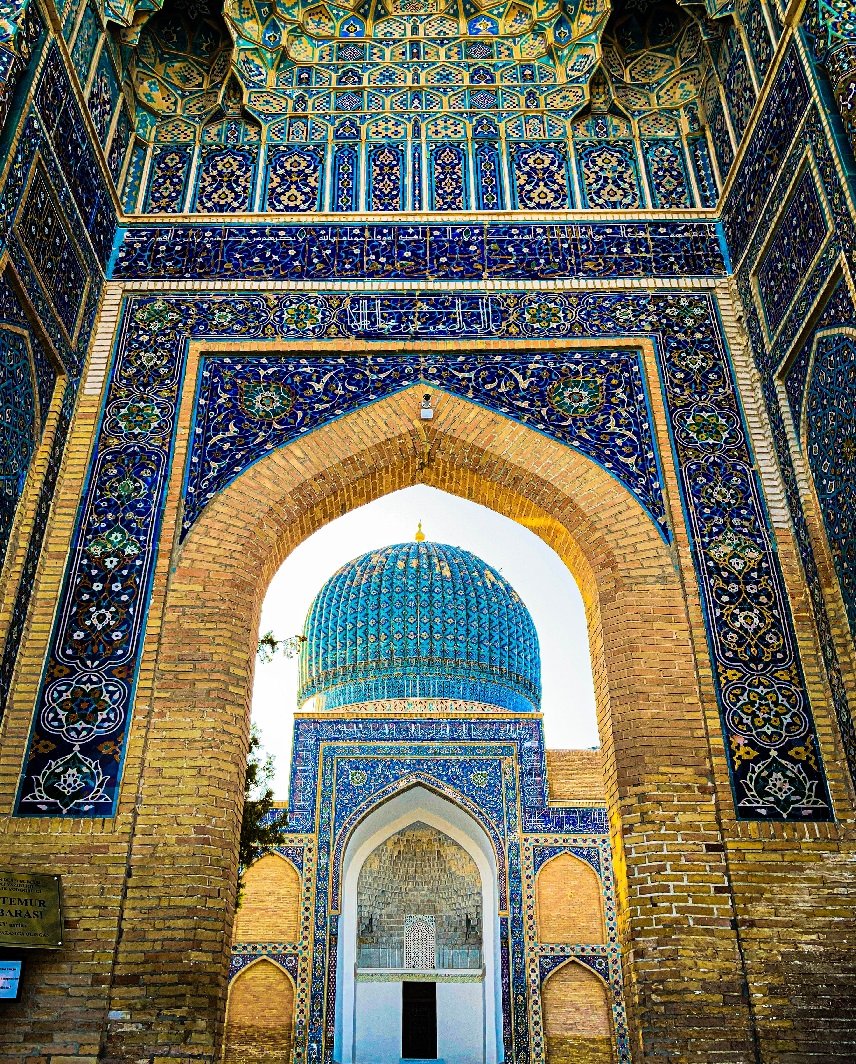
Uzbekistan, a country known for its breathtaking landscapes and rich cultural heritage, is home to an extraordinary destination that often goes unnoticed by travelers - the Aral Sea. Nestled in the heart of Central Asia, this once-vibrant body of water is now a haunting reminder of human impact on the environment. Despite its tragic history, visiting the Aral Sea in Uzbekistan offers a unique and eye-opening experience for avid explorers seeking off-the-beaten-path adventures. Once the fourth-largest lake in the world, the Aral Sea has witnessed a catastrophic decline over the past few decades. Due to extensive irrigation projects initiated during the Soviet era, the waters that used to sustain the thriving fishing industry have drastically receded, leaving behind vast plains of salty desert. Although the disappearance of the Aral Sea and the environmental consequences are undeniably tragic, the area's transformation has created an eerie and captivating landscape that draws travelers who appreciate nature's resilience. To reach the remnants of the Aral Sea, the journey begins in the city of Nukus, the capital of the Karakalpakstan region. From there, adventurers embark on a bumpy ride towards the Moynaq fishing town, which was once a bustling port on the sea's edge. Today, Moynaq stands as a somber reflection of its former glory, with rusting ships stranded in the middle of the desert, a reminder of the calamity that unfolded. As visitors walk along the dry seabed, they can't help but ponder the impact of human actions on the environment. The desolation and abandonment of the surrounding villages speak volumes about the devastating consequences of large-scale water diversion. However, amid the melancholic ambiance, signs of hope are emerging, as small sections of the sea have started to show signs of resurgence due to ongoing conservation efforts. Travelers exploring the Aral Sea region can also delve into the unique local culture and traditions of the Karakalpak people. These hospitable inhabitants have faced numerous hardships but have managed to preserve their heritage throughout the turbulent times. By engaging with the locals, visitors gain a deeper understanding of the region's history and the challenges faced by its people. For nature enthusiasts, the Aral Sea area provides a fantastic opportunity to observe an array of wildlife that has adapted to the changing ecosystem. Endangered bird species, including flamingos, herons, and pelicans, have found refuge in the newly-formed wetlands and provide a stunning spectacle for birdwatchers. The eerie silence and untouched beauty of the surrounding desert also offer a chance for introspection and solitude, allowing travelers to reconnect with themselves and nature. While tourism infrastructure is still developing in the Aral Sea region, the limited facilities add to the allure of the journey. Accommodation options range from guesthouses in nearby villages to camping under the star-filled sky. Travelers are advised to pack essential supplies, including sturdy footwear, sunscreen, and ample water, as the harsh desert conditions might test even the most adventurous souls. Visiting the Aral Sea in Uzbekistan is an experience like no other. It is a voyage into the heart of a devastated yet mesmerizing landscape, where the echoes of a once-thriving Sea whisper tales of man's intervention. It serves as a sobering reminder for all of us to reflect on our own impact on the environment and the responsibility we hold to preserve the natural beauty of our planet. So, if you're seeking an offbeat adventure that combines history, culture, and environmental consciousness, set your sights on Uzbekistan's Aral Sea. Prepare to be captivated by the raw beauty that remains and inspired by the resilience of nature against all odds. Expand your knowledge by perusing http://www.borntoresist.com also for more http://www.qqhbo.com Click the following link for more http://www.travellersdb.com To learn more, take a look at: http://www.mimidate.com For more information about this: http://www.cotidiano.org
Leave a Comment:
SEARCH
Recent News
- Uzbekistan is renowned for its rich cultural heritage and traditional handicrafts, including the exquisite wool stoles that have gained popularity worldwide. These wool stoles are not just accessories but pieces of art that showcase the craftsmanship and creativity of Uzbek artisans.
- Winter in Uzbekistan is a magical time, with snow-capped mountains, cozy tea houses, and stunning winter stoles that add a touch of warmth and style to any outfit. These winter stoles are a popular accessory in Uzbekistan, known for their beautiful embroidery, vibrant colors, and luxurious fabrics.
- Uzbekistan is a country rich in biodiversity, with a wide variety of wildlife species inhabiting its diverse landscapes, ranging from deserts to mountains to grasslands. However, like many other countries around the world, Uzbekistan is also facing challenges when it comes to wildlife conservation.
- Uzbekistan is a country with a growing startup ecosystem, and many innovative companies are emerging in various industries. Vancouver, on the other hand, is known for being a hub of technology and entrepreneurship. In this blog post, we will explore some of the top startups in Vancouver and their potential connections or collaborations with startups in Uzbekistan.
- Uzbekistan and Vancouver may seem like two completely different worlds, but when it comes to export and import, they share a common ground. These two regions engage in international trade, exchanging goods and services to foster economic growth and development. Let's take a closer look at the export and import dynamics between Uzbekistan and Vancouver.
- Uzbekistan has a rich culture and history that is reflected in its cuisine, arts, and traditions. This Central Asian country is known for its vibrant markets, stunning architecture, and warm hospitality. One interesting aspect of Uzbekistan is its business ties with Vancouver, a bustling city in Canada.
- Uzbekistan is a country rich in culture, history, and natural beauty. Located in Central Asia, it is known for its stunning architecture, vibrant markets, and warm hospitality. However, in recent years, Uzbekistan has also been making a name for itself in the business world. With a growing economy and a business-friendly environment, Uzbekistan is becoming an attractive destination for companies looking to expand their operations.
- ### Exploring UK Government Business Support Programs for Doing Business in Uzbekistan
READ MORE
8 months ago Category :

Uzbekistan is renowned for its rich cultural heritage and traditional handicrafts, including the exquisite wool stoles that have gained popularity worldwide. These wool stoles are not just accessories but pieces of art that showcase the craftsmanship and creativity of Uzbek artisans.
Read More →8 months ago Category :

Winter in Uzbekistan is a magical time, with snow-capped mountains, cozy tea houses, and stunning winter stoles that add a touch of warmth and style to any outfit. These winter stoles are a popular accessory in Uzbekistan, known for their beautiful embroidery, vibrant colors, and luxurious fabrics.
Read More →8 months ago Category :

Uzbekistan is a country rich in biodiversity, with a wide variety of wildlife species inhabiting its diverse landscapes, ranging from deserts to mountains to grasslands. However, like many other countries around the world, Uzbekistan is also facing challenges when it comes to wildlife conservation.
Read More →8 months ago Category :
