Discover the Rich Heritage of Uzbekistan Pottery
Category : | Sub Category : Posted on 2023-10-30 21:24:53
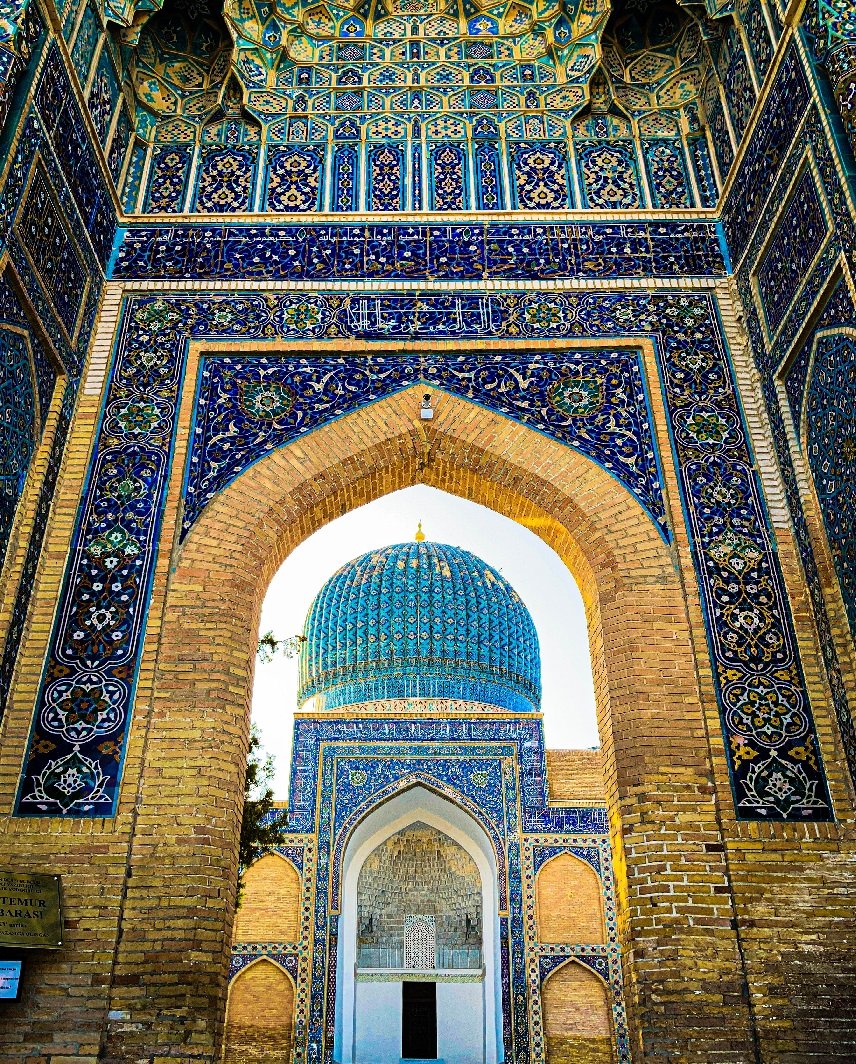
Known for its intricate craftsmanship and vibrant designs, Uzbekistan pottery is a true testament to the country's rich cultural heritage and long history. With influences from various civilizations and nomadic traditions, Uzbekistan pottery has evolved into a distinct art form that continues to captivate art enthusiasts worldwide. In this blog post, we will explore the fascinating world of Uzbekistan pottery and delve into its historical significance and unique artistic techniques. Historical Significance of Uzbekistan Pottery Pottery has been an integral part of Uzbekistan's cultural and artistic traditions since ancient times. The region's strategic location on the Silk Road allowed for the exchange of ideas, techniques, and materials, resulting in a diverse range of pottery styles and influences. One of the most significant periods in Uzbekistan pottery history is during the rule of the Timurid dynasty (14th-16th centuries). The Timurid rulers valued artistic expression and patronized many talented artisans, leading to a golden age for the art of pottery. During this period, pottery production flourished, and artisans created exquisite ceramics adorned with intricate geometric patterns, calligraphy, and intricate glazes. Unique Techniques and Designs Uzbekistan pottery is renowned for its use of traditional techniques and designs that have been passed down from generation to generation. One of the most prominent techniques is the use of slip painting, where a liquid clay solution, known as slip, is applied to the pottery surface before firing. This technique allows for intricate detailing and the creation of uniquely vibrant designs. Another notable technique in Uzbekistan pottery is the use of turquoise glazes. Turquoise is a color deeply associated with the region, and artisans have perfected the art of creating stunning turquoise glazes that beautifully complement the intricate patterns and motifs. The designs found on Uzbekistan pottery are often inspired by nature, Islamic calligraphy, and geometric patterns. Floral motifs, such as tulips, roses, and pomegranates, are commonly depicted, symbolizing beauty and abundance. Islamic calligraphy, with verses from the Quran, is also a popular theme, adding a religious and spiritual touch to the pottery. Continuing Tradition and Revival Although the craft of pottery in Uzbekistan has faced challenges throughout history, including economic fluctuations and a decline in interest, there has been a recent revival in the art form. Artisans and craftsmen are working tirelessly to preserve and pass down these ancient techniques to future generations. Today, pottery workshops can be found in various regions of Uzbekistan, particularly in areas like Samarkand and Rishtan, known for their long-standing pottery traditions. Many of these workshops welcome visitors, providing them with an opportunity to witness the pottery-making process firsthand and even try their hand at creating their own masterpiece. With its intricate designs, vibrant colors, and rich historical significance, Uzbekistan pottery continues to be a treasured part of Uzbekistan's cultural heritage. Its revival and preservation are not only a testament to the country's strong artistic traditions but also a celebration of the creativity and ingenuity of the Uzbek people. From ancient times to the present day, Uzbekistan pottery remains a true reflection of the country's rich cultural tapestry.
Leave a Comment:
SEARCH
Recent News
- Uzbekistan is renowned for its rich cultural heritage and traditional handicrafts, including the exquisite wool stoles that have gained popularity worldwide. These wool stoles are not just accessories but pieces of art that showcase the craftsmanship and creativity of Uzbek artisans.
- Winter in Uzbekistan is a magical time, with snow-capped mountains, cozy tea houses, and stunning winter stoles that add a touch of warmth and style to any outfit. These winter stoles are a popular accessory in Uzbekistan, known for their beautiful embroidery, vibrant colors, and luxurious fabrics.
- Uzbekistan is a country rich in biodiversity, with a wide variety of wildlife species inhabiting its diverse landscapes, ranging from deserts to mountains to grasslands. However, like many other countries around the world, Uzbekistan is also facing challenges when it comes to wildlife conservation.
- Uzbekistan is a country with a growing startup ecosystem, and many innovative companies are emerging in various industries. Vancouver, on the other hand, is known for being a hub of technology and entrepreneurship. In this blog post, we will explore some of the top startups in Vancouver and their potential connections or collaborations with startups in Uzbekistan.
- Uzbekistan and Vancouver may seem like two completely different worlds, but when it comes to export and import, they share a common ground. These two regions engage in international trade, exchanging goods and services to foster economic growth and development. Let's take a closer look at the export and import dynamics between Uzbekistan and Vancouver.
- Uzbekistan has a rich culture and history that is reflected in its cuisine, arts, and traditions. This Central Asian country is known for its vibrant markets, stunning architecture, and warm hospitality. One interesting aspect of Uzbekistan is its business ties with Vancouver, a bustling city in Canada.
- Uzbekistan is a country rich in culture, history, and natural beauty. Located in Central Asia, it is known for its stunning architecture, vibrant markets, and warm hospitality. However, in recent years, Uzbekistan has also been making a name for itself in the business world. With a growing economy and a business-friendly environment, Uzbekistan is becoming an attractive destination for companies looking to expand their operations.
- ### Exploring UK Government Business Support Programs for Doing Business in Uzbekistan
READ MORE
10 months ago Category :

Uzbekistan is renowned for its rich cultural heritage and traditional handicrafts, including the exquisite wool stoles that have gained popularity worldwide. These wool stoles are not just accessories but pieces of art that showcase the craftsmanship and creativity of Uzbek artisans.
Read More →10 months ago Category :

Winter in Uzbekistan is a magical time, with snow-capped mountains, cozy tea houses, and stunning winter stoles that add a touch of warmth and style to any outfit. These winter stoles are a popular accessory in Uzbekistan, known for their beautiful embroidery, vibrant colors, and luxurious fabrics.
Read More →10 months ago Category :

Uzbekistan is a country rich in biodiversity, with a wide variety of wildlife species inhabiting its diverse landscapes, ranging from deserts to mountains to grasslands. However, like many other countries around the world, Uzbekistan is also facing challenges when it comes to wildlife conservation.
Read More →10 months ago Category :
